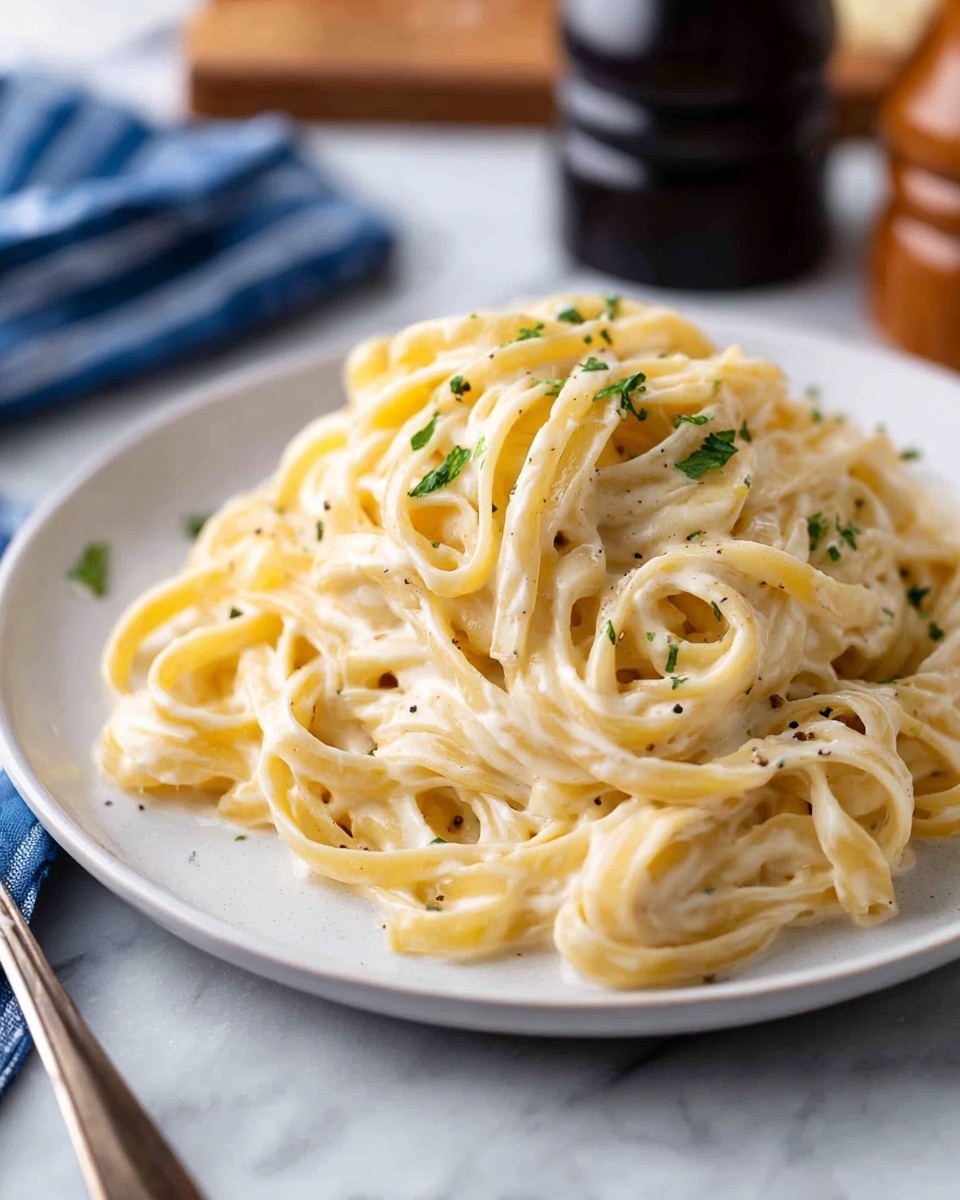
If you’re craving that ultimate comfort pasta with a luxuriously smooth texture and rich flavor, let me share my all-time favorite Creamy Fettuccine Alfredo Recipe with you. This dish is a total game changer in the kitchen—simple ingredients, quick prep, and a sauce so velvety it practically melts in your mouth. Whether you’re a seasoned cook or just starting out, you’ll find this recipe not only easy to follow but incredibly rewarding. Trust me, once you try it, your family will be begging for seconds!
Why You’ll Love This Recipe
- Speedy Prep: Ready in under 20 minutes, making it perfect for busy weeknights or last-minute cravings.
- Simple Ingredients: Made with pantry staples plus quality Parmigiano Reggiano for authentic flavor you can easily find.
- Authentic Technique: The secret emulsification step ensures the sauce clings perfectly to your pasta without being gloppy or greasy.
- Family Favorite: My loved ones go crazy for this creamy, comforting dish that feels like a restaurant meal at home.

Ingredients You’ll Need
The magic of this Creamy Fettuccine Alfredo Recipe lies in how a handful of simple ingredients come together to create that luscious sauce. Pro tip: Using fresh Parmigiano Reggiano makes all the difference for depth and nutty notes, so splurge a little here.
- Dried fettuccine: Choose a good quality brand—you want it to be firm enough to hold the creamy sauce.
- Unsalted butter: Adds richness without extra salt; you control seasoning better this way.
- Shallot: Finely minced for a subtly sweet, delicate onion flavor that won’t overpower.
- Heavy cream: The heart of the sauce, providing that signature velvety texture.
- Parmigiano Reggiano: Freshly grated for optimal flavor and smooth melting—avoid pre-grated powders here.
- Salt: Just enough to season and balance all the creamy elements.
- Black pepper: Freshly ground brings a bright bite and layers of flavor.
- Fresh parsley (optional): Adds a pop of color and fresh herbal notes at the end.
Variations
I love how adaptable this Creamy Fettuccine Alfredo Recipe is—by tweaking just a couple ingredients or additions, you can personalize it to suit your mood or dietary needs. Feel free to experiment with flavors and add-ins to make it your own.
- Protein Addition: I often stir in grilled chicken or sautéed shrimp to turn this into a hearty, protein-packed meal that my family adores.
- Vegetarian Boost: Roasted mushrooms or steamed broccoli add earthy depth and nutrition without compromising creaminess.
- Dairy-Free Version: Swap the cream for full-fat coconut milk and use vegan Parmesan alternatives—though I’ll admit it’s not quite the traditional experience.
- Fresh Herb Twist: Try adding basil or chives instead of parsley for a fresh flavor punch I discovered during a spring-themed dinner.
How to Make Creamy Fettuccine Alfredo Recipe
Step 1: Cook Your Fettuccine to Perfection
Start by bringing a large pot of salted water to a roaring boil—this is your first chance to season the pasta itself. Add your dried fettuccine and cook it until al dente, which means the noodles are tender yet still have a little bite. I always taste a strand a minute or two before the package suggests, because the perfect texture is key to this dish. Remember, the pasta will keep cooking slightly once you mix it with the sauce, so avoid overcooking.
Step 2: Sauté Shallots in Butter
While the pasta is doing its thing, melt unsalted butter in a deep frying pan over medium-high heat. When it starts to bubble lightly, add the finely minced shallots. I find that sautéing shallots just until tender—about 2 minutes—gently sweetens the flavor without turning bitter. Keep an eye on them so they don’t brown too much, which can overpower the silky sauce.
Step 3: Create the Cream Sauce Base
Next, pour in the heavy cream and bring everything up to a gentle boil. Then lower your heat to medium-low and let it simmer for about 3 minutes, stirring occasionally. This simmering thickens the cream just enough and allows the shallots’ sweetness to infuse the sauce nicely. At this point, your kitchen is going to smell absolutely divine—it’s one of my favorite anticipations!
Step 4: Finish the Sauce with Cheese, Salt, and Pepper
Take the pan off the heat and stir in the freshly grated Parmigiano Reggiano, along with salt and a generous grind of black pepper. The cheese melts into the creamy base, thickening and enriching it without becoming heavy. I love how the brightness of the pepper cuts through the richness here, making every bite balanced and satisfying.
Step 5: Combine Pasta and Sauce with Reserved Pasta Water
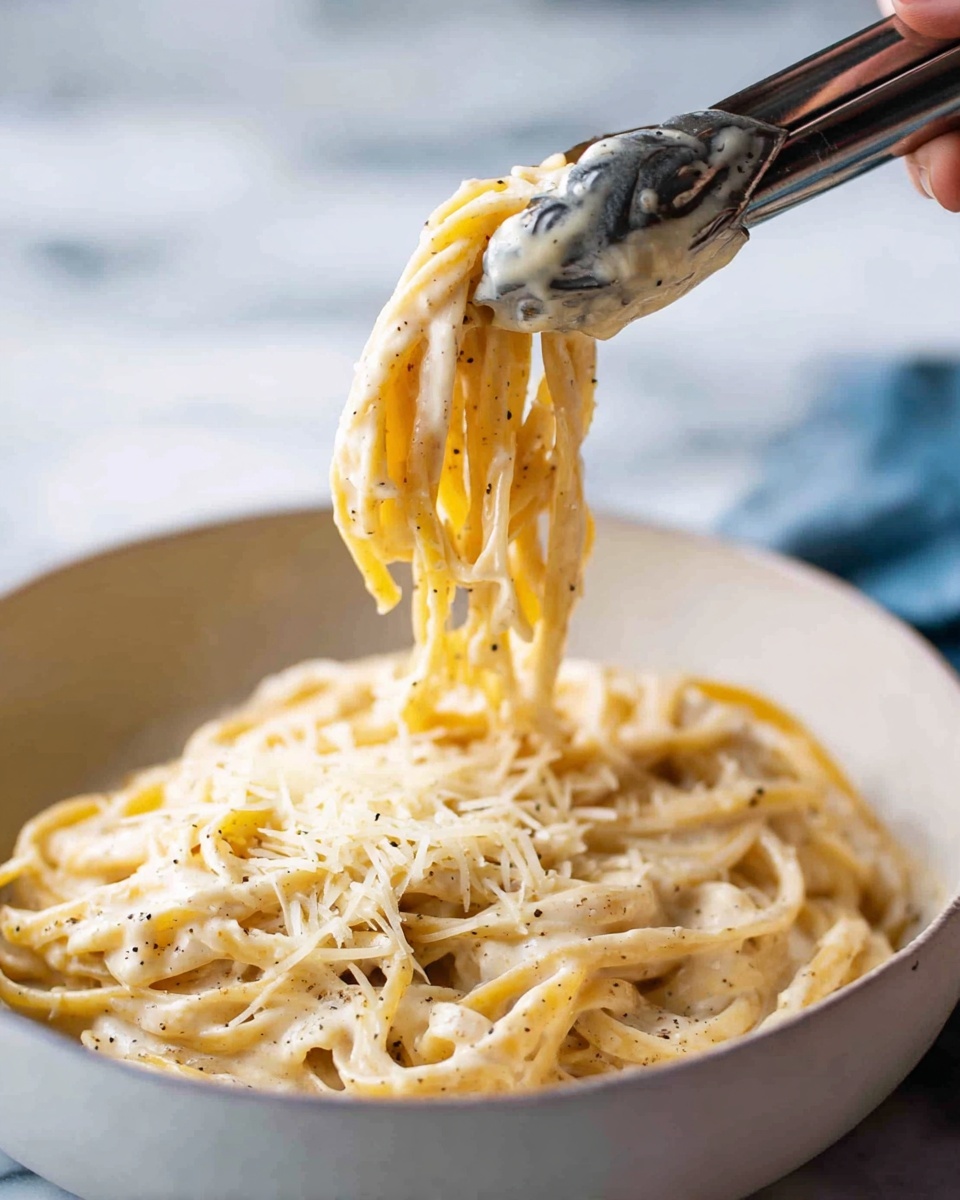
Before draining your fettuccine, scoop out about 1/4 cup of the starchy pasta cooking water (plus an extra mug on the side just in case). Then drain the pasta well. Immediately transfer the hot pasta into the pan with the Alfredo sauce. Return the pan to medium-high heat and gently toss the pasta with the sauce for about 1 minute. This step is crucial—the starch in the reserved water helps emulsify the sauce, letting it cling beautifully to each strand rather than pooling at the bottom. If your sauce feels too thick, just add a splash more pasta water until it reaches your perfect silky consistency.
Step 6: Serve Immediately with Garnishes
Remove the pan from heat and dish out your creamy fettuccine Alfredo onto plates. Sprinkle extra Parmigiano Reggiano on top, and if you like, toss some fresh parsley over for that bright, herbaceous finish. Serve it hot—this dish is best enjoyed right away to experience its full creamy glory.
Pro Tips for Making Creamy Fettuccine Alfredo Recipe
- Perfect Pasta Timing: I always time it so the pasta finishes cooking just as the sauce is ready—this way, everything comes together warm and fresh.
- Use Fresh Parmigiano: Avoid pre-grated cheese if possible; it doesn’t melt as well and can make the sauce grainy.
- Don’t Skip Pasta Water: That little reserved starch water is magical for adjusting the sauce texture to silky perfection.
- Gentle Tossing: Toss your pasta gently—not vigorously—to avoid breaking the noodles and to keep the sauce intact on each strand.
How to Serve Creamy Fettuccine Alfredo Recipe
Garnishes
Personally, I swear by a generous sprinkle of freshly grated Parmigiano Reggiano for that lovely nutty crunch on top. Fresh parsley adds not only a burst of color but also a refreshing contrast to the creaminess—it’s my go-to finishing touch. Sometimes, I add a tiny squeeze of lemon juice or zest for a zesty brightness that lights up the dish wonderfully.
Side Dishes
To round out this indulgent dish, I like serving it alongside a crisp green salad with a tangy vinaigrette. Garlic bread or a rustic crusty loaf is perfect for sopping up any leftover sauce. For something heartier, steamed or roasted veggies like asparagus, broccoli, or green beans add freshness and texture balance.
Creative Ways to Present
When hosting friends, I like to plate the fettuccine in neat nests on warmed plates, then top each serving with a flourish of herbs and a drizzle of truffle oil—this always earns compliments and makes the meal feel extra special. For a casual family dinner, I simply serve it family-style right from the pan, encouraging everyone to pile on as much cheese and parsley as they like.
Make Ahead and Storage
Storing Leftovers
I’ve found that storing leftover creamy fettuccine Alfredo in an airtight container in the fridge for up to 2 days works best. When you do this, add a splash of milk or cream before reheating to keep the sauce from drying out and becoming clumpy. The texture isn’t as perfect as fresh but still delicious enough for a quick lunch.
Freezing
Freezing Alfredo pasta is a bit tricky because cream sauces can separate. I’ve tried freezing it, but the texture changes—so I usually recommend making fresh. However, if you do freeze it, thaw gently in the fridge overnight and reheat slowly with extra cream or butter to coax back some creaminess.
Reheating
To reheat, I gently warm the leftovers in a skillet over low heat with a splash of heavy cream or milk. Stirring often helps bring the sauce back to that silky consistency. Microwaving works but be sure to stir halfway through to prevent hot spots and dryness.
FAQs
-
Can I use regular Parmesan instead of Parmigiano Reggiano?
Regular Parmesan can work in a pinch, but Parmigiano Reggiano has a richer, nuttier flavor and melts more smoothly, which really elevates the sauce. If you want the ideal creamy texture and authentic taste, it’s worth investing in Parmigiano Reggiano.
-
How do I keep the Alfredo sauce from breaking?
The key is to avoid overheating the sauce after adding cheese and to use the reserved pasta water to help emulsify the sauce. Toss the sauce and pasta gently over medium heat for just about a minute—this helps the fats and liquids bind smoothly without separating.
-
Can I make this recipe vegan or dairy-free?
You can substitute vegan butter and use coconut cream or cashew cream instead of heavy cream. There are vegan Parmesan-style cheeses available, but keep in mind, the flavor and texture will differ from the classic recipe.
-
Is it better to use fresh pasta or dried for this recipe?
Both work well! Fresh pasta cooks faster and has a tender bite, while dried fettuccine holds up nicely under the creamy sauce. Choose based on what you have on hand or your preference.
-
How can I make this dish ahead of time?
You can make the sauce ahead and refrigerate it separately; reheat gently before tossing with freshly cooked pasta. This helps keep the sauce fresh and prevents the pasta from overcooking or becoming soggy.
Final Thoughts
I absolutely love how this Creamy Fettuccine Alfredo Recipe turns out every single time—it’s creamy, comforting, and surprisingly simple. Over the years, I’ve found that the little tricks of timing, quality ingredients, and gentle tossing make all the difference. If you’re looking for a foolproof, restaurant-quality Alfredo you can make at home, this recipe should be your go-to. So grab that fettuccine, melt that butter, and enjoy the rich, buttery happiness that awaits—you won’t regret it, and neither will your dinner guests!
Print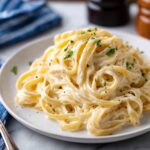
Creamy Fettuccine Alfredo Recipe
- Prep Time: 5 min
- Cook Time: 13 min
- Total Time: 18 min
- Yield: 3 servings
- Category: Main Course
- Method: Stovetop
- Cuisine: Italian
Description
Fettuccine Alfredo is a classic Italian pasta dish featuring tender fettuccine noodles tossed in a rich and creamy sauce made from butter, heavy cream, and freshly grated Parmigiano Reggiano cheese. This indulgent recipe comes together quickly, delivering restaurant-quality flavor and texture through the emulsification of the cheese and cream sauce, ensuring every strand of pasta is perfectly coated.
Ingredients
Pasta
- 8 oz / 250g dried fettuccine
Sauce
- 3 tbsp unsalted butter
- 1 small shallot, very finely minced
- 1/2 cup heavy cream
- 3/4 cup freshly grated Parmigiano Reggiano or parmesan
- 1/4 tsp salt
- Good grind of black pepper
Garnish
- Fresh parsley (optional)
- Extra Parmigiano Reggiano
Instructions
- Cook the Pasta: Bring a large pot of salted water to a boil. Add the dried fettuccine and cook until al dente, meaning the pasta is still firm to the bite but cooked through. This usually takes about 8-10 minutes depending on the pasta brand.
- Melt Butter and Sauté Shallots: While the pasta cooks, melt the butter in a deep frying pan over medium-high heat. Add the finely minced shallots and sauté for about 2 minutes, or until they become tender and fragrant.
- Add Cream and Simmer: Pour in the heavy cream and bring the mixture to a boil. Reduce the heat to medium-low and let it simmer gently for 3 minutes to slightly thicken the sauce.
- Incorporate Cheese and Seasoning: Remove the frying pan from the heat. Stir in the freshly grated Parmigiano Reggiano cheese, salt, and a good grind of black pepper until the sauce is smooth and creamy.
- Reserve Pasta Water and Drain Pasta: Before draining the pasta, scoop out 1/4 cup of the pasta cooking water and set aside, along with an extra mugful just in case. Drain the pasta using a colander.
- Combine Pasta with Sauce: Transfer the drained fettuccine and the reserved 1/4 cup pasta water into the frying pan with the cheese sauce. Return the pan to medium-high heat and gently toss the pasta to coat it evenly, allowing the sauce to emulsify and cling beautifully to each strand for about 1 minute.
- Serve: Remove from heat immediately and serve the pasta garnished with additional Parmigiano Reggiano and fresh parsley if desired. Serve while hot for the best flavor and texture.
Notes
- This recipe takes just over 15 minutes from start to finish, making it a quick yet indulgent meal.
- Have all ingredients prepared and ready before cooking so the sauce is ready exactly when the pasta finishes.
- The recipe serves 3 people comfortably.
- The emulsification step is key for a restaurant-quality sauce that clings to the pasta rather than pooling on the plate.
- Each serving contains approximately 420 calories, balancing richness with portion control.
Nutrition
- Serving Size: 123 g
- Calories: 426 kcal
- Sugar: 1.2 g
- Sodium: 349 mg
- Fat: 21.9 g
- Saturated Fat: 12.8 g
- Unsaturated Fat: 7.5 g
- Trans Fat: 0.3 g
- Carbohydrates: 46.4 g
- Fiber: 2.1 g
- Protein: 11.5 g
- Cholesterol: 122 mg