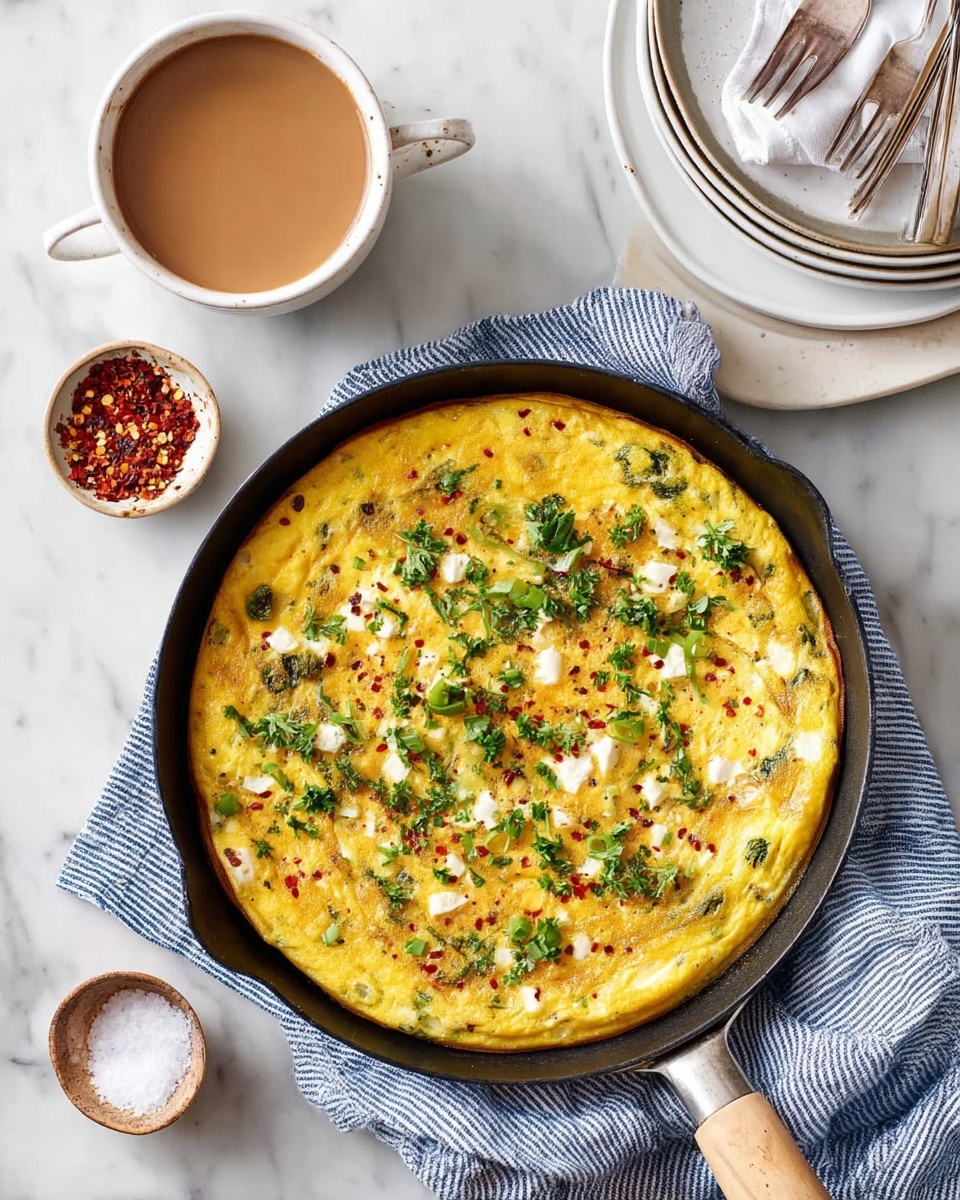
If you’re on the hunt for breakfast, brunch, or even a light dinner that’s both wholesome and bursting with flavor, then you’re in the right place. This Vegetable Frittata Recipes with Variations Recipe is seriously one of my favorites—you can switch up the veggies and cheeses to suit your mood or fridge contents, making it endlessly adaptable. I absolutely love how it comes together quickly, yet tastes like you’ve been slaving over the stove all morning. Trust me, once you try this, you’ll be hooked!
Why You’ll Love This Recipe
- Versatility: With five delicious variations, you can easily customize it to fit whatever veggies you have on hand.
- Time-Saving: Ready in about 30 minutes, it’s perfect for busy mornings or quick weeknight meals.
- Flavor-Packed: Each version combines fresh herbs, cheeses, and seasonal vegetables that create a perfect harmony of taste.
- Family Favorite: Every time I serve this, my family goes crazy, asking for seconds and requesting it again soon.

Ingredients You’ll Need
The magic behind this Vegetable Frittata Recipes with Variations Recipe lies in choosing fresh, vibrant ingredients that complement each other beautifully. I always stock up on eggs and a selection of veggies, so I can whip up whichever variation strikes my fancy. Pro tip: having a colorful assortment of vegetables not only tastes better but looks gorgeous on your plate.
- Large eggs: The base of your frittata; fresh eggs make a fluffier, richer result.
- Unsweetened almond milk (or any milk): Adds creaminess without overpowering the other ingredients.
- Garlic cloves: Minced garlic brings a subtle depth you don’t want to skip.
- Sea salt: For seasoning; always better to use sea salt for a cleaner taste.
- Freshly ground black pepper: Adds just the right kick.
- Extra-virgin olive oil: Essential for sautéing and a delicate drizzle at the end.
- Scallions: Bright and fresh with a mild onion flavor that blends well.
- Broccoli or broccolini: Adds a hearty crunch and vibrant green color.
- Smoked paprika: A little smokiness can elevate even the simplest frittata.
- Feta cheese: Crumbled feta adds salty creaminess that pairs perfectly with veggies.
- Shallots: Sweeter and more delicate than onions, sautéed until translucent.
- Roasted red bell peppers: Add a smoky sweetness that brightens the dish.
- Spinach: Wispy, tender greens that wilt into the eggs beautifully.
- Spring onions or scallions: For that fresh, subtle oniony crunch.
- Asparagus: Tender tips bring a fresh, seasonal bite.
- Frozen peas: Thawed peas add a pop of sweetness and texture.
- Mini mozzarella balls: Melt into little pockets of gooey cheesy goodness.
- Tarragon or chives: Fresh herbs that lift the flavors with an aromatic touch.
- Mixed mushrooms: Earthy and tender, a perfect complement to the tarragon and cheese.
- Grated pecorino cheese: Sharp and tangy for a savory edge.
- Cherry tomatoes: Juicy bursts of sweetness that roast up beautifully.
- Fresh basil leaves: Adds a sweet, herbal punch to finish the Caprese variation.
Variations
One of the things I adore about this Vegetable Frittata Recipes with Variations Recipe is how easy it is to customize. Whether you want to keep it veggie-packed, add some tangy cheese, or focus on fresh herbs, there’s a version for every taste and occasion. Feel free to mix and match ingredients to make it truly your own—you might discover a new favorite!
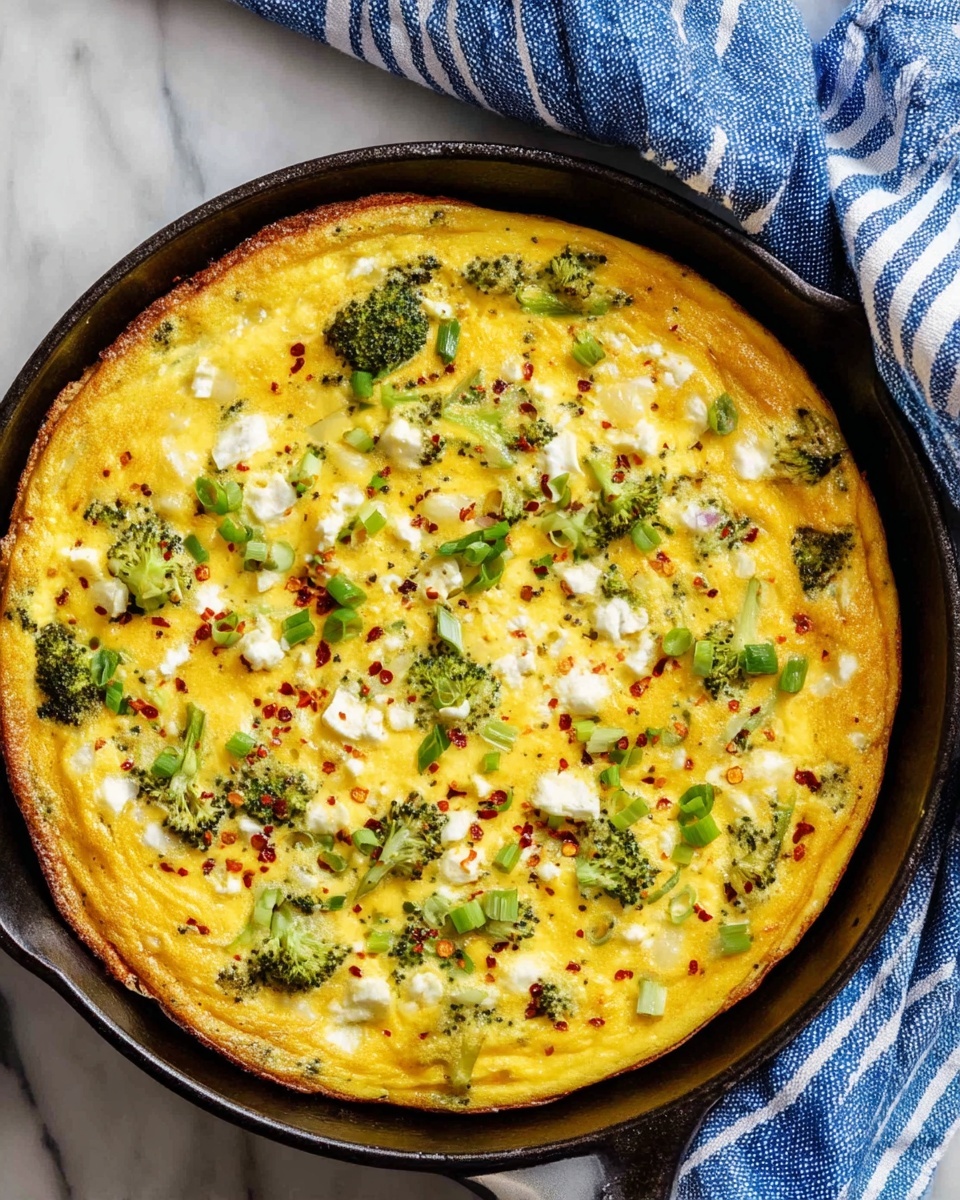
- Broccoli Feta: I love the crunch and vibrant taste of this combo; the smoked paprika adds a lovely warmth without overpowering the fresh veggies.
- Roasted Red Pepper & Spinach: This variation is my go-to when I want something a bit sweeter and tender; the roasted peppers elevate the flavor so much.
- Spring Veggie: Perfect for spring mornings, combining asparagus, peas, and fresh mozzarella is a seasonal delight that always gets compliments.
- Mixed Mushroom & Tarragon: Earthy mushrooms paired with aromatic tarragon make a sophisticated choice; I use this when guests are coming over.
- Caprese: You can’t go wrong with that classic tomato, basil, and mozzarella combo—it’s like a little Italian escape right in your skillet.
How to Make Vegetable Frittata Recipes with Variations Recipe
Step 1: Prep Your Oven and Whisk the Eggs
First things first, preheat your oven to 400°F. While it’s warming up, whisk together your eggs, almond milk, minced garlic, and a pinch of sea salt until the mixture is smooth and combined. This step is crucial because a well-whisked egg mixture ensures a fluffy frittata. I like to give the eggs a good 1-2 minutes of whisking — it really makes a difference in the texture.
Step 2: Cook the Vegetables Based on Your Variation
Choose your favorite variation and sauté the veggies accordingly, usually in a 10 or 12-inch cast-iron skillet with a little olive oil. For instance, if you’re making the Broccoli Feta version, you’ll gently cook the scallions and broccoli until the broccoli is tender yet still bright green—this usually takes about 5 to 8 minutes. Each variation has its unique method, but the goal is tender, flavorful vegetables that aren’t overcooked. Be patient here; this step builds your base flavor.
Step 3: Add the Egg Mixture and Cheese, Then Bake
Once your veggies are ready, pour the egg mixture over them in the skillet. Give the pan a gentle shake or tilt it to evenly distribute the eggs. Then sprinkle your chosen cheese on top—feta, mozzarella, or pecorino, depending on your variation. Pop the skillet into the preheated oven and bake for about 15 to 20 minutes, or until the eggs are just set in the center. You’ll know it’s ready when the edges are slightly golden and the center springs back to the touch.
Step 4: Season and Serve
After baking, take the frittata out and give it a final sprinkle of salt, pepper, and some fresh herbs if you’d like. I always find adding a little fresh basil or tarragon on top at this stage makes it pop. Then slice it into wedges and serve while it’s warm. This dish keeps beautifully in leftovers too (if you manage to save any!).
Pro Tips for Making Vegetable Frittata Recipes with Variations Recipe
- Use a Cast-Iron Skillet: It heats evenly and transitions from stovetop to oven effortlessly, giving you perfect frittata edges.
- Don’t Overcook the Veggies: Keep veggies tender-crisp before adding eggs; this helps avoid sogginess.
- Let the Eggs Rest: After whisking, let your eggs sit a minute to get air incorporated for fluffiness.
- Watch the Baking Time: Keep an eye near the end to prevent overbaking; you want it set but still moist, not dry.
How to Serve Vegetable Frittata Recipes with Variations Recipe
Garnishes
I usually finish with a light drizzle of extra-virgin olive oil and a sprinkle of fresh herbs like basil, chives, or tarragon, depending on the variation. A few freshly cracked black pepper flakes on top add a nice touch too. Sometimes, I add a squeeze of fresh lemon juice to brighten it up—such a simple step that really lifts the flavors.
Side Dishes
I love pairing this frittata with a simple mixed greens salad dressed in lemon and olive oil. For a heartier meal, some crusty bread or roasted potatoes make excellent companions. My family enjoys some fresh fruit or even a lightly dressed quinoa salad on the side when we’re serving this for brunch.
Creative Ways to Present
For special occasions, I sometimes bake the frittata in individual ramekins or muffin tins—these single servings look so cute and make plating a breeze. Another fun idea is to layer the frittata slices with roasted vegetables and fresh herbs on a platter for a colorful, rustic presentation. I’ve even served it as part of a tapas-style spread with some olives and marinated veggies for a casual gathering.
Make Ahead and Storage
Storing Leftovers
I usually let the frittata cool completely, then cover it tightly with foil or place it in an airtight container before refrigerating. It stays fresh for up to 3 days, which means you can enjoy it for multiple meals without any fuss.
Freezing
In a pinch, I slice the cooled frittata into portions and freeze them in airtight containers or wrapped tightly in plastic wrap and foil. It freezes well for up to 2 months. Just be sure to thaw overnight in the fridge before reheating for best texture.
Reheating
To reheat leftovers, I pop them in a preheated oven at 325°F for about 10-15 minutes. Using the oven instead of a microwave helps maintain that lovely texture without turning it rubbery or dry. If you’re short on time, a quick zap in the microwave works fine—just cover it loosely to retain moisture.
FAQs
-
Can I use other types of cheese in these frittata variations?
Absolutely! While feta, mozzarella, and pecorino are recommended for their traditional pairings with the vegetables, feel free to experiment with cheddar, goat cheese, or even Swiss. Just consider the melting properties and saltiness to maintain balance in flavor.
-
What if I don’t have a cast-iron skillet?
You can use an oven-safe nonstick or stainless steel skillet instead. Just make sure it can handle oven temperatures around 400°F. If your skillet isn’t oven-safe, after cooking the veggies on the stove, transfer the mixture to a baking dish before adding the eggs and baking.
-
Can I prepare the frittata ahead of time?
Yes! You can prepare the vegetable mixture a day ahead and store it in the refrigerator. When ready, whisk the eggs and combine before baking as usual. The fully cooked frittata also stores well as leftovers or frozen portions.
-
How do I know when the frittata is fully cooked?
The frittata is done when the edges are set and slightly golden, and the center isn’t jiggly when you gently shake the pan. If you insert a toothpick or knife, it should come out clean. Avoid overbaking to keep it moist and tender.
Final Thoughts
This Vegetable Frittata Recipes with Variations Recipe really holds a special place in my kitchen rotation. It’s one of those dishes that feels like a treat but doesn’t require complicated prep or ingredients. I’ve found that the versatility is what keeps me coming back—whether I’m craving bright spring veggies or cozy mushrooms in autumn. I genuinely hope you give this a try and make it your own, serving it up to family and friends who’ll surely be as smitten as I am.
Print
Vegetable Frittata Recipes with Variations Recipe
- Prep Time: 5 minutes
- Cook Time: 25 minutes
- Total Time: 30 minutes
- Yield: 3 to 4 servings
- Category: Breakfast, Brunch
- Method: Baking
- Cuisine: Italian-inspired
- Diet: Low Lactose
Description
This classic frittata recipe features fluffy eggs mixed with almond milk and garlic, baked to perfection with a variety of vibrant vegetable and cheese combinations. Choose from five delicious variations including Broccoli Feta, Roasted Red Pepper & Spinach, Spring Veggie, Mixed Mushroom & Tarragon, and Caprese. Each variation is cooked in a skillet and finished in the oven for a wholesome and flavorful meal perfect for breakfast, brunch, or a light dinner.
Ingredients
Basic Frittata
- 6 large eggs (use 8 eggs for a 12-inch skillet)
- ¼ cup unsweetened almond milk (or any milk)
- 2 garlic cloves (minced)
- ¼ teaspoon sea salt (more for sprinkling)
- Freshly ground black pepper (to taste)
- Extra-virgin olive oil (for drizzling and cooking)
Broccoli Feta Variation
- 6 scallions (chopped)
- 2 cups chopped broccoli or broccolini
- ⅛ teaspoon smoked paprika
- ¼ cup crumbled feta cheese
Roasted Red Pepper & Spinach Variation
- 1 shallot (chopped)
- 2 roasted red bell peppers (chopped)
- 2 cups spinach
- ⅓ cup crumbled feta cheese
Spring Veggie Variation
- 4 spring onions or scallions (chopped)
- ½ cup chopped asparagus (tender parts)
- ½ cup frozen peas (thawed)
- ½ cup halved mini mozzarella balls
- ¼ cup crumbled feta cheese
Mixed Mushroom & Tarragon Variation
- 1 shallot (chopped)
- 12 ounces mixed mushrooms (chopped)
- ¼ cup chopped tarragon
- ⅓ cup grated pecorino cheese
Caprese Variation
- 1 shallot (chopped)
- 2 cups halved cherry tomatoes
- ¾ cup halved mini mozzarella balls
- ½ cup sliced fresh basil leaves
Instructions
- Preheat Oven: Preheat your oven to 400°F (200°C) to ensure it’s ready for baking the frittata.
- Prepare Egg Mixture: In a bowl, whisk together the eggs, almond milk, minced garlic, and sea salt until the mixture is smooth and well combined. Set aside.
- Broccoli Feta Variation: Heat 1 tablespoon of olive oil in a 10 or 12-inch cast-iron skillet over medium heat. Add chopped scallions, broccoli, a pinch of salt, and pepper. Cook, stirring occasionally, for 5 to 8 minutes until the broccoli is tender but still bright green. Stir in smoked paprika. Pour in the egg mixture and gently shake the pan to distribute evenly. Sprinkle crumbled feta on top. Transfer skillet to the oven and bake for 15 to 20 minutes, or until eggs are set. Season to taste and serve.
- Roasted Red Pepper & Spinach Variation: Heat ½ tablespoon olive oil in the skillet over medium heat. Add chopped shallot with a pinch of salt and pepper, cooking about 5 minutes until translucent. Add chopped roasted red peppers and spinach, sautéing until spinach is wilted. Pour in egg mixture, shaking the pan gently to distribute. Sprinkle with feta cheese. Bake in the oven for 15 to 20 minutes until eggs are set. Season and serve.
- Spring Veggie Variation: Heat ½ tablespoon olive oil in the skillet over medium heat. Add chopped scallions, asparagus, and a pinch of salt and pepper. Cook for about 5 minutes until asparagus is tender but bright green. Add thawed peas, then pour in the egg mixture evenly. Top with mozzarella balls and crumbled feta. Bake for 15 to 20 minutes until set. Season to taste and serve.
- Mixed Mushroom & Tarragon Variation: Heat 1 tablespoon olive oil in the skillet over medium heat. Add chopped shallot with salt and pepper and cook about 3 minutes until starting to soften. Add chopped mushrooms and cook for about 8 minutes, stirring occasionally, until soft. Stir in chopped tarragon. Pour in the egg mixture, gently shaking to distribute. Sprinkle grated pecorino cheese on top. Bake for 15 to 20 minutes until eggs are set. Season and serve.
- Caprese Variation: Heat ½ tablespoon olive oil in the skillet over medium heat. Add chopped shallot with a pinch of salt and pepper, cooking about 5 minutes until translucent. Add halved cherry tomatoes and half the sliced basil, stir briefly. Pour in egg mixture and gently shake to distribute. Add mozzarella balls on top. Bake for 15 to 20 minutes until set. Remove from oven, top with remaining basil leaves, season to taste, and serve.
Notes
- This recipe provides a versatile base for a classic frittata, perfect for customizing with your favorite vegetables and cheeses.
- Use a cast-iron skillet for even heat and easy transition from stovetop to oven.
- Adjust the egg quantity to 8 if using a 12-inch skillet for a thicker frittata.
- Be sure to preheat the oven to ensure even cooking and proper setting of the eggs.
- Season each variation to taste with additional salt and pepper as needed before serving.
Nutrition
- Serving Size: 1/4 frittata (approximately 150g)
- Calories: 210
- Sugar: 3g
- Sodium: 320mg
- Fat: 15g
- Saturated Fat: 4g
- Unsaturated Fat: 10g
- Trans Fat: 0g
- Carbohydrates: 6g
- Fiber: 2g
- Protein: 14g
- Cholesterol: 280mg