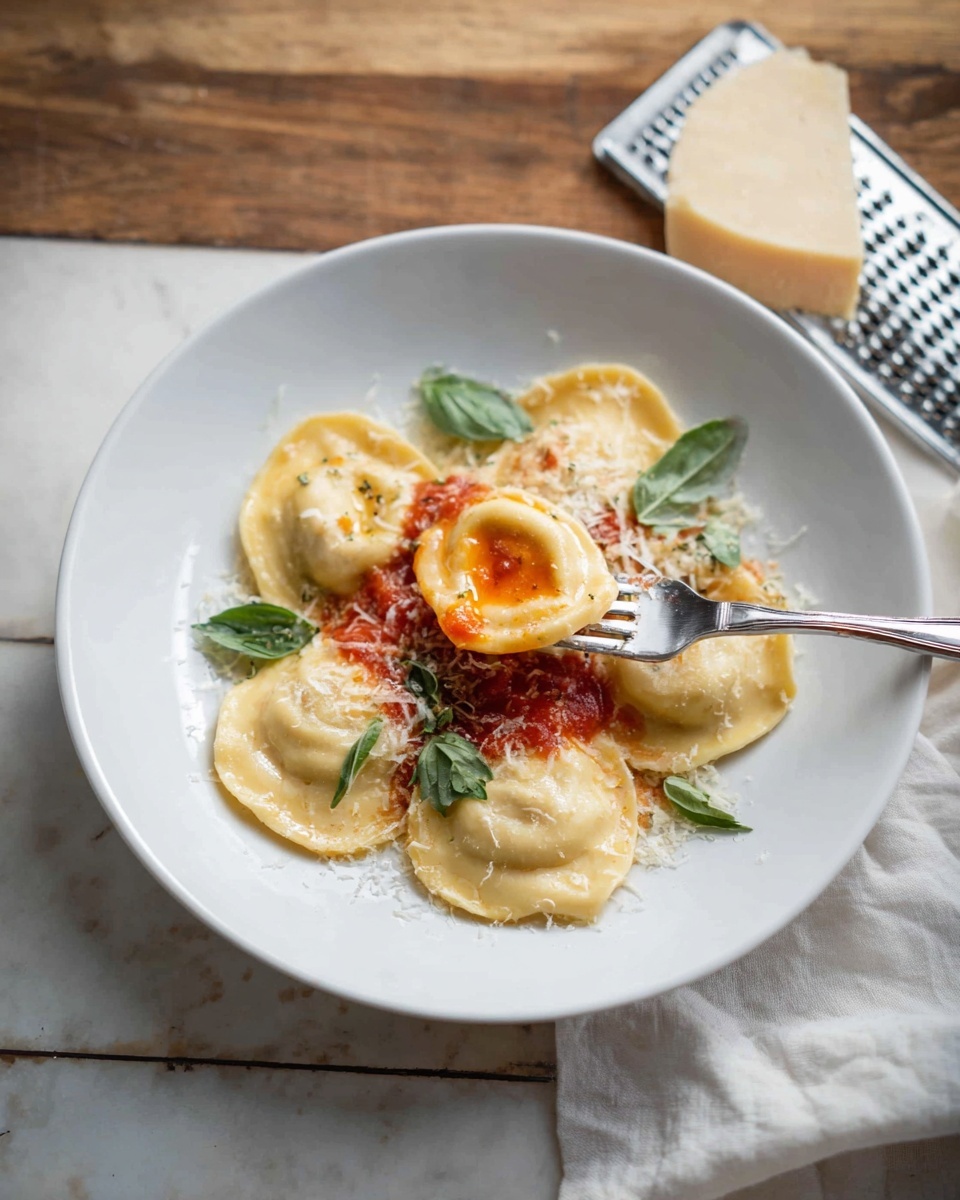
If you’re looking for a cozy, impressive homemade pasta dish that’s bursting with fall flavors, you absolutely need to try my Butternut Squash Cappellacci with Sage Butter Recipe. I love this recipe because it combines the sweet, roasted goodness of butternut squash with silky pasta and that nutty, aromatic sage butter—truly a match made in heaven. Whether you’re hosting a dinner or just treating yourself, this dish will wow your taste buds and even your pasta-making confidence.
Why You’ll Love This Recipe
- Homemade Pasta Magic: Making your own cappellacci is easier than you think, and it brings so much satisfaction!
- Seasonal Flavor Stardom: Roasting butternut squash with sage gives the filling a deep, comforting flavor that’s perfect year-round.
- Simple but Stunning Sauce: The brown butter and crispy sage leaves add richness and an irresistible aroma without complicating things.
- Versatile Serving Options: Serve it with or without marinara—both ways are crowd-pleasers.

Ingredients You’ll Need
The ingredients for this Butternut Squash Cappellacci with Sage Butter Recipe come together beautifully, giving you creamy, nutty filling balanced by tender pasta and butter-sage sauce. Fresh quality ingredients will really shine here—especially your butternut squash and sage.
- Butternut squash: Choose one that’s heavy for its size with firm, unblemished skin for the sweetest flavor.
- Olive oil: Use good quality extra virgin olive oil to roast the squash for a subtle fruity note.
- Dried sage: Adds warm, savory flavor right in the roasting step; fresh sage will be used for finishing the dish.
- Flour (all-purpose): This classic flour yields the perfect texture in your pasta dough—elastic but sturdy.
- Eggs: Room temperature eggs help create a smooth, workable dough.
- Ricotta cheese: Brings creaminess and mildness to balance the natural sweetness of the squash.
- Parmesan cheese: Adds a salty, nutty touch to the filling and topping.
- Butter: For browning into nutty glory and carrying the sage flavor.
- Fresh sage leaves: Crisped up in butter, these are the aroma bomb garnish you never knew you needed.
- Salt and black pepper: Essential for seasoning, balancing sweet and savory.
- Water: Just a bit to moisten your pasta dough to the perfect consistency.
Variations
I love how versatile this Butternut Squash Cappellacci with Sage Butter Recipe is. You can easily tweak it depending on what’s in your fridge or your dietary preferences—let me share a few ways I’ve made it my own over time.
- Variation: For a vegan twist, swap ricotta for a plant-based cheese or soaked cashew cream, and replace the butter with vegan margarine or olive oil—still deliciously comforting.
- Seasonal Swaps: I sometimes swap butternut squash for sweet potato or pumpkin, giving a similar vibe but with slightly different sweetness.
- Herb Boost: Adding a pinch of nutmeg to the filling lifts the flavors and reminds me of cozy holidays.
- Simplified Sauce: If you’re short on time, just drizzle olive oil and sprinkle fresh sage—still a classic.
How to Make Butternut Squash Cappellacci with Sage Butter Recipe
Step 1: Roast the Butternut Squash to Perfect Sweetness
Preheat your oven to 400°F (200°C). Chop the peeled butternut squash into even cubes, about 1 1/2 inch pieces so they roast evenly. Toss with olive oil, dried sage, salt, and just a pinch of black pepper. Spread the cubes out on a baking sheet in a single layer—crowding the pan steams instead of roasts. Roast for about 25 minutes until tender and slightly caramelized. When it’s cool enough to handle, mash it by hand or blitz it in a food processor until smooth. This concentrated sweet squash flavor is the heart of your filling.
Step 2: Make the Pasta Dough Like a Pro
On a clean surface, mound the flour and create a well in the center. Crack in the eggs, add salt, and olive oil. Use a fork to whisk the eggs and oil, slowly incorporating flour from the edges without breaking the bowl shape. Add water little by little, just enough so the dough holds together but isn’t sticky. Use your hands to knead the dough for about 3 minutes until smooth and elastic—this step makes all the difference. I like to wrap it in plastic and rest it at room temperature; it makes rolling out the dough so much easier and less sticky.
Step 3: Prepare the Creamy Filling
Mix the smooth roasted butternut squash with ricotta, Parmesan, and a beaten egg until well combined. This filling has just the right balance: creamy, sweet, and cheesy. Don’t skip the Parmesan here—it gives a nice saltiness that makes the filling sing.
Step 4: Roll, Cut, and Fill Your Cappellacci
Dust your surface with flour, then flatten a quarter piece of dough into a rough rectangle. Using a pasta machine on the widest setting, roll the dough several times, then reduce the setting bit by bit until the pasta is thin but still manageable (about setting 2 or 3 on most machines). Cut into 4-inch squares with a fluted cutter or sharp knife. Add a small spoonful of filling in the center of each square. Lightly wet one edge, fold the square in half and seal by pressing edges well. Then bring the opposite corners together to shape the cappellacci, pinching to seal. This folding technique creates that iconic little hat shape—so elegant and fun. Place the formed pasta on a floured tray to keep them from sticking.
Step 5: Cook Pasta and Prepare Sage Butter Sauce
Bring a large pot of salted water to a boil and cook pasta gently—don’t overcrowd the pot. As soon as the cappellacci float, scoop them out with a slotted spoon straight into the sizzling butter with sage leaves you’ve melted and crisped in a pan. The butter should be bubbly and fragrant. Toss gently so the pasta is coated in that golden, nutty butter. Plate, top with crispy sage leaves, extra Parmesan, and if you like, a spoonful of marinara sauce on the side (or drizzled on). You’re looking at restaurant-quality pasta right in your kitchen!
Pro Tips for Making Butternut Squash Cappellacci with Sage Butter Recipe
- Perfect Dough Consistency: If your dough feels sticky, dust with a little flour but avoid adding too much to keep it tender after cooking.
- Roast Squash Evenly: Cut your squash into uniform pieces to ensure even roasting; uneven chunks mean some parts undercooked while others overdone.
- Don’t Crowd the Pasta Pot: Cooking cappellacci in batches with plenty of water avoids sticking and keeps them perfectly tender.
- Seal Edges Well: Use your finger to moisten the edges and press firmly so the filling doesn’t leak out during cooking — this extra step makes all the difference.
How to Serve Butternut Squash Cappellacci with Sage Butter Recipe
Garnishes
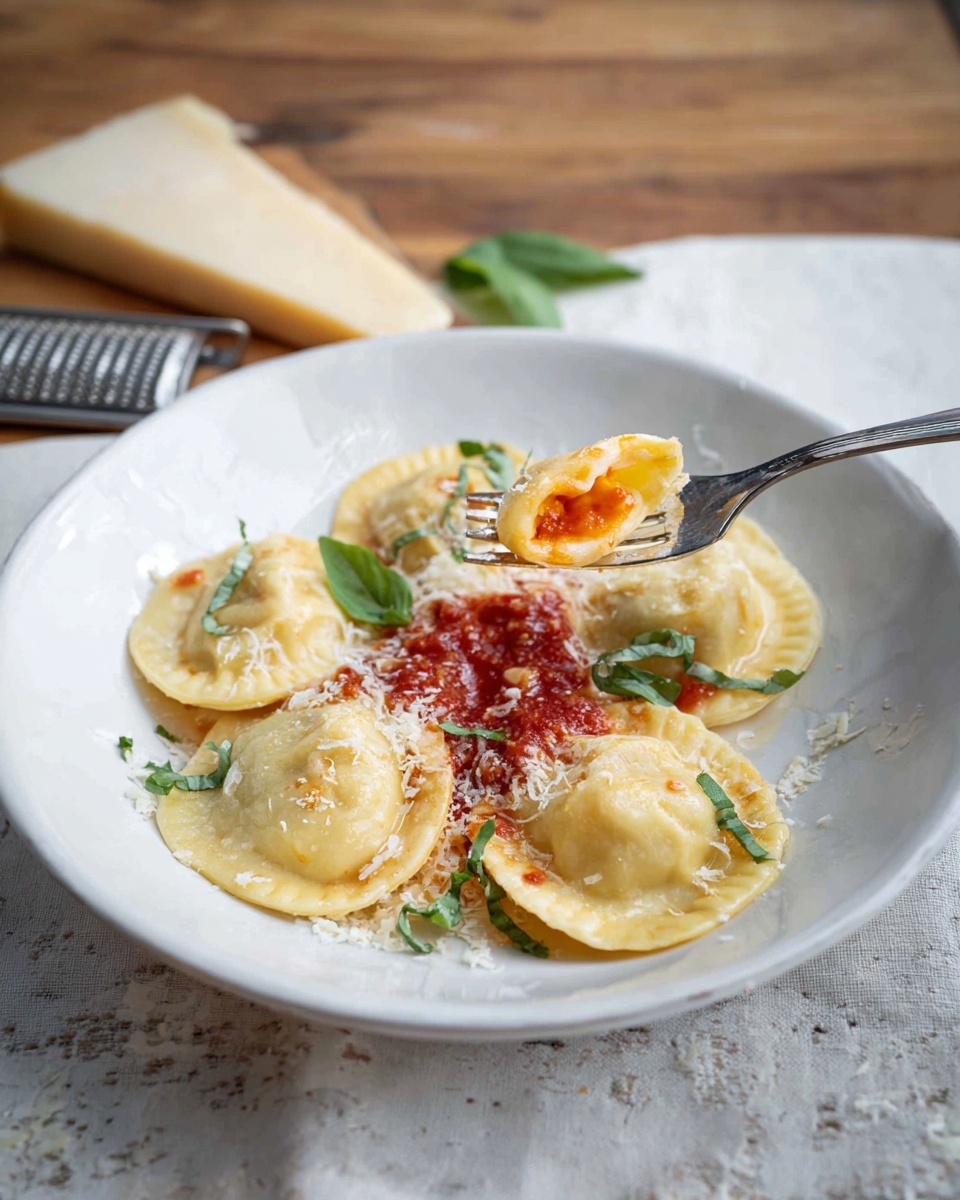
I always love to top my cappellacci with a handful of crispy sage leaves because they add that crunch and deeply aromatic contrast to the silky pasta. A generous grating of Parmesan is non-negotiable—its salty umami boost brings everything together perfectly. For a splash of color and freshness, a drizzle of good olive oil or tiny basil leaves can really brighten up the plate.
Side Dishes
Since the pasta is rich and comforting, I pair it with simple sides like a peppery arugula salad with lemon vinaigrette or roasted Brussels sprouts for some earthiness. If I’m feeling extra cozy, a crusty garlic bread on the side always wins. A light tomato sauce on the side is optional but excellent if you want a bit of tangy contrast.
Creative Ways to Present
For special occasions, plating each cappellacci in a circular pattern with a sprinkle of toasted pine nuts gives an elegant touch. Alternatively, serve on large white plates with sage leaves fanned out on top for a beautiful rustic look. I even tried putting the pasta in small, individual sauceboats, which made for a charming presentation at dinner parties!
Make Ahead and Storage
Storing Leftovers
If you have leftovers, I recommend placing cooked cappellacci in an airtight container and refrigerating for up to 2 days. They reheat beautifully in a pan with a dab of butter or olive oil to keep the sauce fresh. Be gentle when reheating so you don’t break the delicate pasta.
Freezing
One of the best things I discovered about this recipe is freezing the uncooked cappellacci before boiling. Spread them in a single layer on a baking sheet, freeze for a couple hours, then transfer to a freezer bag. That way, they won’t stick together, and when you want fresh pasta, just boil them straight from frozen—convenient and delicious!
Reheating
For leftovers, I reheat gently in a skillet over medium-low heat with a little butter and fresh sage or olive oil so they regain their buttery sheen and crispy bits. Avoid microwaving if possible, as it can make the pasta gummy and lose that artisanal texture.
FAQs
-
Can I use pre-made pasta instead of making cappellacci from scratch?
Absolutely! If you’re short on time, using store-bought ravioli or tortellini can work well. Just make sure to choose plain or cheese-flavored ones and add the butternut squash filling on the side or use the sage butter sauce on top to get the essence of the dish.
-
Is there a shortcut to roasting the butternut squash?
If you’re in a hurry, you can microwave cubed squash for 5-7 minutes until tender before mashing, but roasting enhances the flavor by caramelizing the sugars in the squash, which truly elevates the filling.
-
How can I tell when the pasta is cooked perfectly?
Your cappellacci are done when they float to the surface of the boiling water and feel tender but still have a slight bite (al dente). This usually takes just a minute or two for fresh pasta—keep a close eye to avoid overcooking.
-
Can I freeze cooked cappellacci after cooking?
I recommend freezing them uncooked for best texture later. Cooked pasta tends to get mushy after freezing and reheating, but if you must freeze cooked pasta, flash freeze it first and reheat gently.
-
What’s the best way to reheat leftovers without drying them out?
Reheating in a skillet with a little butter or olive oil over low to medium heat helps maintain moisture and crisp up the sage again, preventing the pasta from drying out or sticking together.
Final Thoughts
When I first made this Butternut Squash Cappellacci with Sage Butter Recipe, I couldn’t believe how comfortable homemade pasta suddenly felt—and how delicious it was! It’s become one of those special dishes that I make when I want to treat myself or impress friends without stressing. The combination of sweet squash, soft pasta, and that buttery sage sauce never fails to bring smiles around my table. If you’re up for a fun cooking project that rewards you with a bowl of pure autumnal joy, dive in—you won’t regret it!
Print
Butternut Squash Cappellacci with Sage Butter Recipe
- Prep Time: 30 minutes
- Cook Time: 25 minutes
- Total Time: 55 minutes
- Yield: 24 cappellacci
- Category: Pasta
- Method: Baking
- Cuisine: Italian
Description
Butternut Squash Cappellacci di Zucca is a delightful homemade filled pasta featuring a smooth roasted butternut squash filling mixed with ricotta and Parmesan cheese. Encased in tender fresh pasta dough, these elegant little pillows are cooked to perfection and finished in fragrant brown butter with crispy sage, offering a comforting and rich Italian-inspired dish perfect for fall or any special meal.
Ingredients
For Roasting the Butternut Squash
- 1 large butternut squash, peeled and cut into cubes to yield 1 1/4 cups (327 grams)
- 3 tablespoons olive oil
- 2 teaspoons dried sage
- 1 teaspoon salt
- Small pinch ground black pepper
For the Pasta
- 3 cups (255 grams) all purpose flour
- 4 large eggs, room temperature
- 1/2 teaspoon salt
- 2 tablespoons olive oil
- Water, about 1/3 cup (78 ml) as needed
For the Filling
- 1/2 cup (68 grams) ricotta cheese
- 1/2 cup (22 grams) Parmesan cheese
- 1 large egg, beaten
To Finish the Dish
- 1 cup (227 grams) butter
- A handful fresh sage leaves
- Marinara sauce (optional)
Instructions
- Preheat and Roast: Preheat your oven to 400°F (200°C). Spread the cubed butternut squash on a baking sheet, drizzle with olive oil, sprinkle with dried sage, salt, and pepper. Toss to coat evenly and roast for 25 minutes until tender. Remove and let cool.
- Make the Pasta Dough: On a clean surface or in a bowl, mound the flour and create a well in the center. Add eggs, salt, and olive oil. Beat the eggs and oil with a fork, gradually incorporating flour from the edges. Drizzle in water as needed to form a moist dough. Knead on a floured surface for about 3 minutes until smooth and elastic. Wrap in plastic wrap and let rest at room temperature or refrigerate.
- Prepare the Filling: Puree the cooled roasted butternut squash using a food processor or mash by hand until smooth. Combine the squash with ricotta, Parmesan, and beaten egg in a bowl. Mix well and set aside.
- Roll Out Pasta Sheets: Dust work surface with flour. Cut a quarter of the dough and flatten into a rectangle. Using a pasta machine, roll the dough through the widest setting several times, gradually reducing to thickness setting 2 or 3, dusting with flour if sticky. Cut the rolled dough into 4-inch (10 cm) squares using a ravioli cutter.
- Fill and Shape Cappellacci: Place a small amount of filling in the center of each square. Moisten one edge lightly with water, fold in half forming a triangle, and press the edges to seal tightly. Then bring the two corners together above the folded side and press to seal, forming the cappellacci shape. Arrange on a tray while continuing. Freeze in a single layer if desired to prevent sticking.
- Prepare Brown Butter and Sage: In a frying pan over medium heat, melt the butter until bubbly and golden. Add fresh sage leaves and cook until crispy. Remove sage leaves and drain on paper towels. Reserve the brown butter.
- Cook the Pasta: Bring a large pot of salted water to a boil. Add the cappellacci without overcrowding. When they float to the surface (about 2-3 minutes), scoop out with a slotted spoon and transfer directly into the brown butter pan, coating them evenly.
- Serve: Plate the butter-coated cappellacci, garnish with crispy sage leaves and extra Parmesan cheese. Optionally serve with marinara sauce on the side.
Notes
- Use fresh sage for frying to achieve a crispy texture that adds aromatic flavor.
- The dough can be refrigerated for up to one week or frozen for up to three months.
- If freezing uncooked cappellacci, freeze them in a single layer first to keep them from sticking together.
- This recipe pairs wonderfully with a simple marinara or brown butter sauce.
Nutrition
- Serving Size: 1 cappellacci
- Calories: 425
- Sugar: 1 grams
- Sodium: 624 milligrams
- Fat: 18 grams
- Saturated Fat: 4 grams
- Unsaturated Fat: 13 grams
- Trans Fat: 0 grams
- Carbohydrates: 53 grams
- Fiber: 3 grams
- Protein: 13 grams
- Cholesterol: 160 milligrams