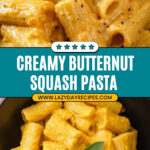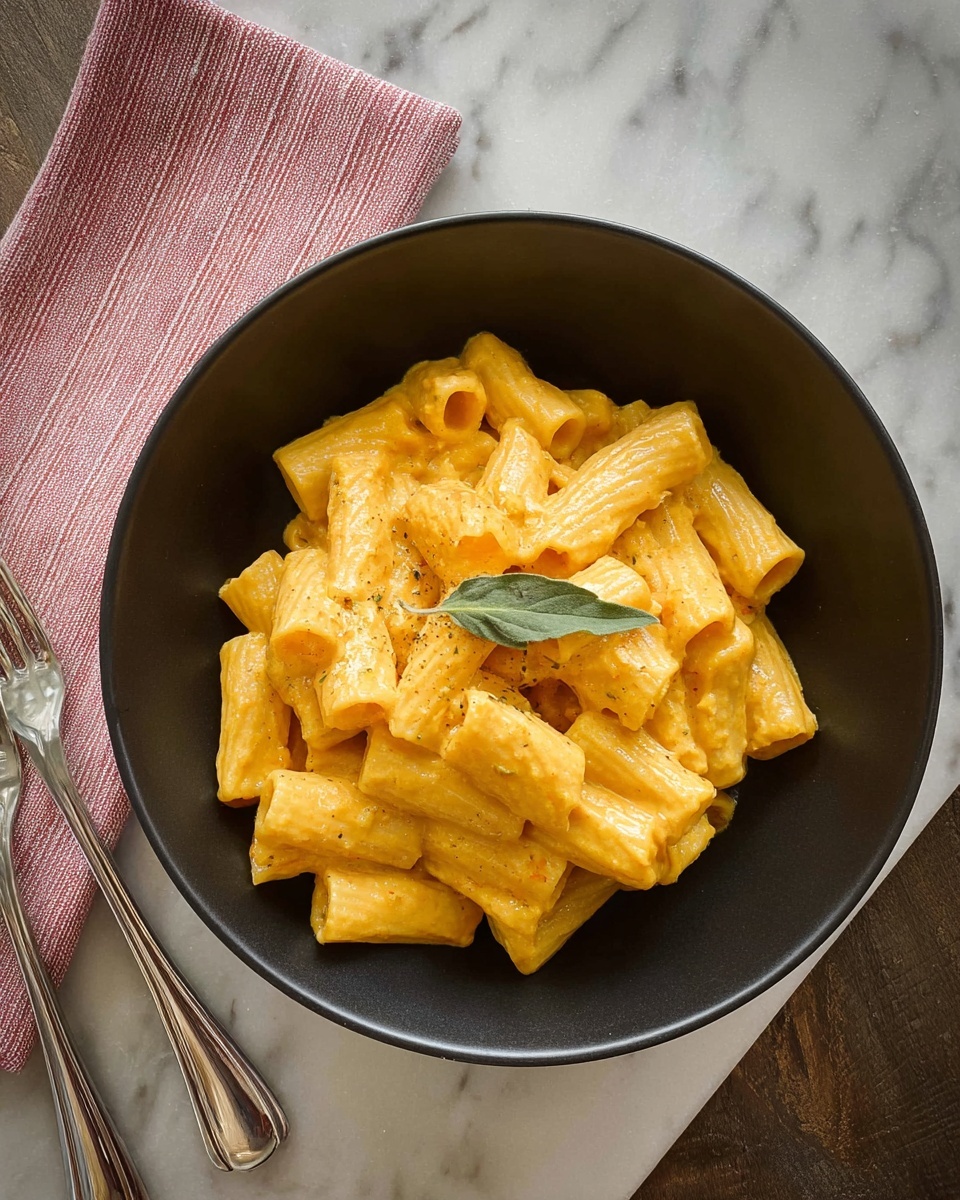
If you’re craving something comforting, cozy, and absolutely delicious, then you’ve come to the right place. This Creamy Butternut Squash Pasta Recipe is one of those dishes that feels fancy but is surprisingly simple to make. I love how the natural sweetness of roasted butternut squash blends perfectly with fragrant sage and nutmeg, creating a sauce that’s both rich and silky without any heavy cream. Stick with me—you’ll find this recipe soon becomes a comforting favorite on your dinner rotation.
Why You’ll Love This Recipe
- Naturally Creamy: The roasted butternut squash transforms into a luscious, velvety sauce without any dairy needed.
- Simple Yet Flavorful: With just a handful of spices like sage and nutmeg, you get a complex, comforting flavor.
- Quick and Easy: From roasting to blending and tossing pasta, it all comes together in just about 30 minutes.
- Family Favorite: My family goes crazy for this dish, and I bet yours will too!

Ingredients You’ll Need
This recipe shines because each ingredient brings balance and depth. I always recommend fresh butternut squash for its natural sweetness, and the herbs and spices add that cozy, fall vibe we all secretly crave, no matter the season.
- Butternut Squash: Fresh and peeled is best here; it roasts beautifully and blends into a creamy sauce.
- Yellow Onion: Adds sweetness and savoriness when roasted alongside the squash.
- Vegetable Oil: Helps with roasting and prevents sticking—neutral oils work great.
- Dried Sage: The star herb, warming and earthy, perfect with butternut squash.
- Nutmeg: Just a small amount makes all the difference for a subtle spicy note.
- Salt and Black Pepper: Essential for seasoning—don’t be shy here.
- Garlic Cloves: Roasting the garlic unpeeled softens the flavor, adding mellow nuttiness.
- Pasta: Any long pasta like linguine or fettuccine works well; it holds the sauce nicely.
- Fresh Sage: For a final fresh herb boost to finish the sauce.
- Vegetable Stock: Adds body and thins the sauce to your preferred consistency without overpowering the sweetness.
- Parmesan Cheese: Optional but highly recommended for garnishing that extra layer of savory goodness.
Variations
I love tweaking this creamy butternut squash pasta recipe depending on what’s in my fridge or the season. Don’t be afraid to personalize—it’s all about making this dish yours and keeping it exciting every time you make it.
- With Protein: Sometimes I add crispy pancetta or sautéed mushrooms for an extra savory kick that my family adores.
- Dairy-Free Version: Skip the Parmesan or swap it with nutritional yeast for a cheesy flavor without dairy.
- Spicy Kick: A pinch of red pepper flakes stirred into the sauce wakes things up beautifully.
- Herb Swap: Tried thyme instead of sage once—results were amazing and gave it a more herbal edge.
How to Make Creamy Butternut Squash Pasta Recipe
Step 1: Roast the Butternut Squash and Onion to Perfection
Start by preheating your oven to 400°F (200°C). Spread your cubed butternut squash and chunks of onion on a baking sheet. Drizzle everything with vegetable oil, then sprinkle the dried sage, nutmeg, salt, and pepper over the top. This part is crucial: toss everything well to coat evenly and make sure the veggies are in a single layer. If they’re piled up, they’ll steam instead of roast, and you’ll miss out on that gorgeous caramelized flavor I love. Roast for 20 minutes, then add the two unpeeled garlic cloves to the pan and roast for another 10 minutes, until the squash is fork-tender. Let it cool slightly right in the pan for about 5 minutes.
Step 2: Cook the Pasta
While your squash is roasting, bring a big pot of salted water to a boil and cook your pasta according to the package’s instructions. I like to undercook it just slightly because it’ll finish cooking when tossed with the hot sauce. Drain but save a little pasta water if you want to loosen the sauce later.
Step 3: Blend the Sauce
Pop the roasted squash, onions, peeled garlic, fresh sage, and vegetable stock into a blender. Blend until you get a smooth, creamy texture that coats your spoon. If you want it thinner, just add a splash more stock until it reaches your preferred consistency—smooth and luscious, never watery.
Step 4: Combine and Serve
Drain your pasta and immediately toss it with the creamy butternut squash sauce. I always add freshly grated Parmesan cheese on top—it just rounds everything out perfectly. Serve warm and watch how quickly it disappears!
Pro Tips for Making Creamy Butternut Squash Pasta Recipe
- Don’t Crowd the Veggies: I learned the hard way—roast in a single layer for caramelization, not steaming.
- Use a Hot Blender: I let the roasted squash cool just a bit, but blending while still warm gives the silkiest sauce.
- Save Pasta Water: This helps loosen the sauce naturally and helps it cling perfectly to your noodles.
- Don’t Skip the Parmesan: Even though it’s creamy and rich on its own, that salty cheese finish is irresistible.
How to Serve Creamy Butternut Squash Pasta Recipe
Garnishes
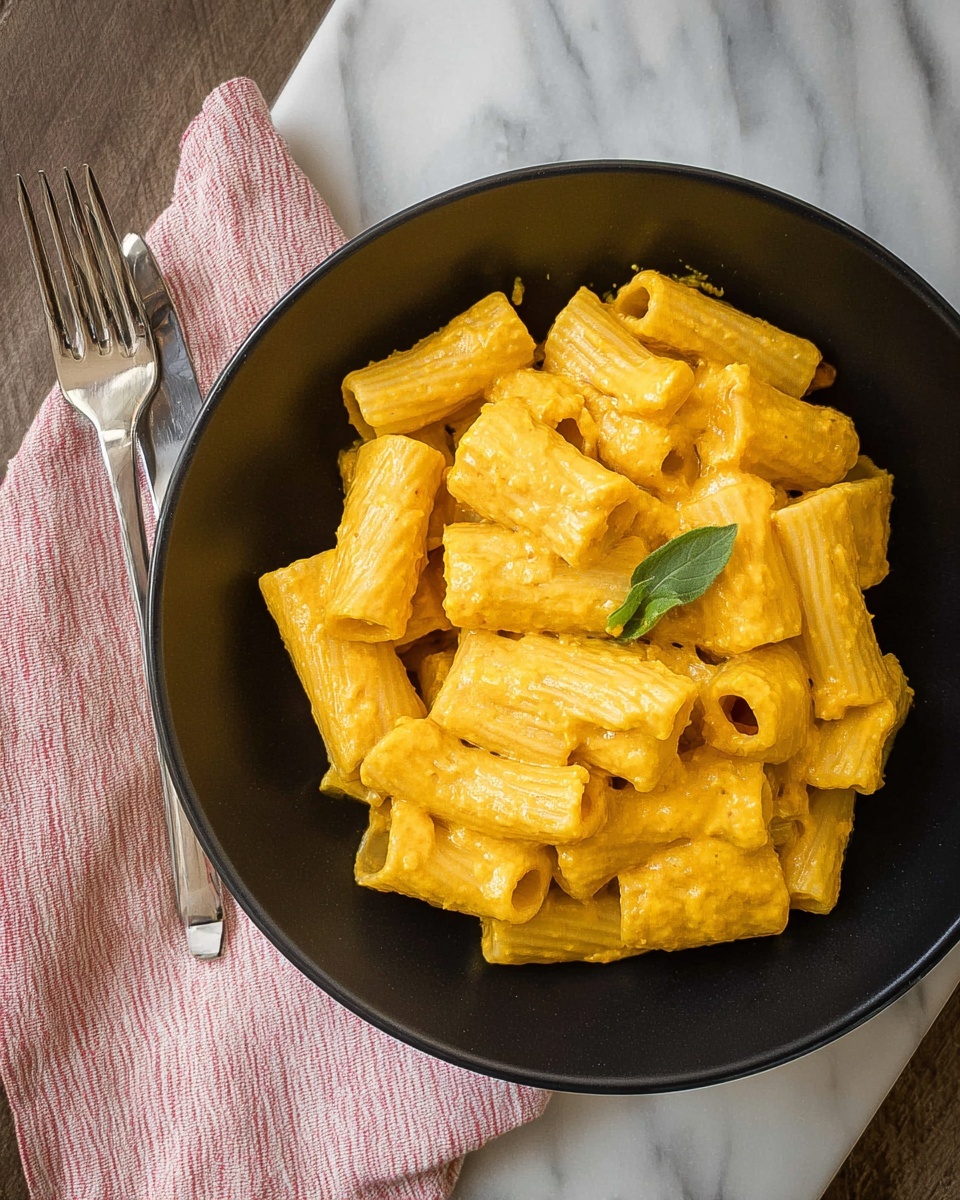
I usually top this pasta with freshly grated Parmesan and a sprinkle of chopped fresh sage—it adds that vibrant pop of color and herbaceous brightness. A drizzle of good-quality olive oil or some toasted pine nuts can also add a lovely texture and richness.
Side Dishes
This pasta pairs beautifully with a crisp green salad or some garlicky roasted broccoli. If you want to keep it light but satisfying, lemony arugula salad or a simple cucumber salad are my go-to side dishes.
Creative Ways to Present
For a special dinner, I like to plate this pasta twirled neatly into nests, sprinkled with microgreens, and set on rustic wooden boards. It instantly makes the meal feel elevated without any extra fuss. You can also serve it in deep bowls with a crusty slice of garlic bread for a homey, inviting vibe.
Make Ahead and Storage
Storing Leftovers
I store leftover pasta and sauce together in an airtight container in the fridge. It keeps well for about 3-4 days. You might notice the sauce thickens—just stir in a little vegetable broth or pasta water when reheating to loosen it back up.
Freezing
This creamy butternut squash sauce freezes beautifully on its own. I freeze it in portions, then thaw in the fridge overnight before tossing with freshly cooked pasta. The texture holds up well, making it a perfect make-ahead solution for busy nights.
Reheating
Reheat gently in a saucepan over low-medium heat, stirring often and adding a splash of stock or water to bring back that silky texture. Avoid high heat, or the sauce can become grainy. You can also reheat in the microwave in short bursts, stirring between intervals.
FAQs
-
Can I use frozen butternut squash for this creamy pasta sauce?
Absolutely! Frozen cubed butternut squash works fine, especially if you roast it first to bring out that caramelized flavor. Just make sure to thaw and pat it dry to avoid excess moisture, which can water down the sauce.
-
Is this Creamy Butternut Squash Pasta Recipe vegan?
The sauce itself is dairy-free and vegan, but the traditional finishing touch of Parmesan cheese isn’t. You can easily leave it out or substitute with nutritional yeast to keep it vegan-friendly.
-
Can I make this recipe ahead of time?
Yes! The sauce stores well in the fridge for a few days and also freezes nicely. Prepare the sauce in advance, then cook and toss with pasta when ready to serve for the freshest texture.
-
What type of pasta is best for this sauce?
I recommend long pastas like linguine, fettuccine, or even spaghetti because their strands beautifully catch the creamy sauce. But feel free to use whatever you like or have on hand!
Final Thoughts
This Creamy Butternut Squash Pasta Recipe has become a staple in my kitchen because it’s the perfect balance of cozy and elegant with minimal effort. I love that it uses simple, wholesome ingredients that come together into a sauce that feels luxurious without all the heaviness. Whether you’re cooking for yourself, family, or friends, it’s a comforting crowd-pleaser that always hits the spot. I genuinely hope you love making and sharing it as much as I do!
Print
Creamy Butternut Squash Pasta Recipe
- Prep Time: 5 minutes
- Cook Time: 25 minutes
- Total Time: 30 minutes
- Yield: 4 servings
- Category: Main Course
- Method: Roasting
- Cuisine: American
- Diet: Vegetarian
Description
This creamy butternut squash pasta is a delightful dish featuring roasted butternut squash and onions blended into a smooth, savory sauce infused with sage and nutmeg. Tossed with perfectly cooked pasta and finished with freshly grated Parmesan cheese, this recipe offers a rich, dairy-free sauce base that’s both comforting and flavorful, ideal for a quick and satisfying weeknight meal.
Ingredients
Vegetables
- 1 whole butternut squash, 2 pounds (566 grams), peeled and cut into cubes
- 1 medium yellow onion (2 cups/293 grams), cut into large chunks
- 2 garlic cloves, unpeeled
Seasonings and Oils
- 1 tablespoon vegetable oil
- 1 teaspoon dried sage
- ¼ teaspoon freshly grated nutmeg
- 1 teaspoon salt
- ½ teaspoon freshly ground black pepper
- ½ teaspoon fresh sage
Other Ingredients
- 1 cup (236 ml) vegetable stock
- 1 pound (453 grams) pasta
- Freshly grated Parmesan cheese, for garnish
Instructions
- Preheat and Prepare Vegetables: Preheat your oven to 400°F (200°C). Arrange the cubed butternut squash and chopped onion in an even layer on a large baking sheet. Drizzle with vegetable oil and sprinkle with dried sage, freshly grated nutmeg, salt, and black pepper. Toss everything by hand to coat evenly and ensure the vegetables are spread out to avoid steaming.
- Roast Vegetables: Roast the squash and onion for 20 minutes. Then add the two unpeeled garlic cloves to the baking sheet and roast for an additional 10 minutes, or until the butternut squash is tender when pierced with a fork. Remove from the oven and allow the vegetables to cool in the pan for 5 minutes.
- Cook Pasta: While the vegetables roast, bring a large pot of salted water to a boil. Cook the pasta according to the package instructions until al dente. Drain and set aside.
- Blend Sauce: Peel the roasted garlic cloves and transfer them along with the cooled butternut squash and onions to a blender. Add fresh sage and vegetable stock. Blend everything until smooth to create a sauce-like consistency. If desired, add additional stock gradually to thin the sauce into a soup consistency.
- Toss Pasta and Serve: Immediately toss the drained hot pasta with the butternut squash sauce. Serve garnished generously with freshly grated Parmesan cheese for an extra layer of flavor.
Notes
- This sauce provides a creamy texture without dairy, making it a great option for those avoiding lactose.
- Make sure the vegetables are not crowded on the baking sheet to ensure they roast rather than steam, achieving a deeper flavor.
- You can adjust the sauce’s thickness by adding more vegetable stock to suit your preference, making it either a pasta sauce or a more liquid soup.
- Fresh sage adds a fragrant note, but dried sage can be used as a substitute if unavailable.
Nutrition
- Serving Size: 1 serving (approx. 1/4 of recipe)
- Calories: 92
- Sugar: 3 grams
- Sodium: 640 milligrams
- Fat: 5 grams
- Saturated Fat: 1 gram
- Unsaturated Fat: 4 grams
- Trans Fat: 0 grams
- Carbohydrates: 11 grams
- Fiber: 2 grams
- Protein: 3 grams
- Cholesterol: 3 milligrams