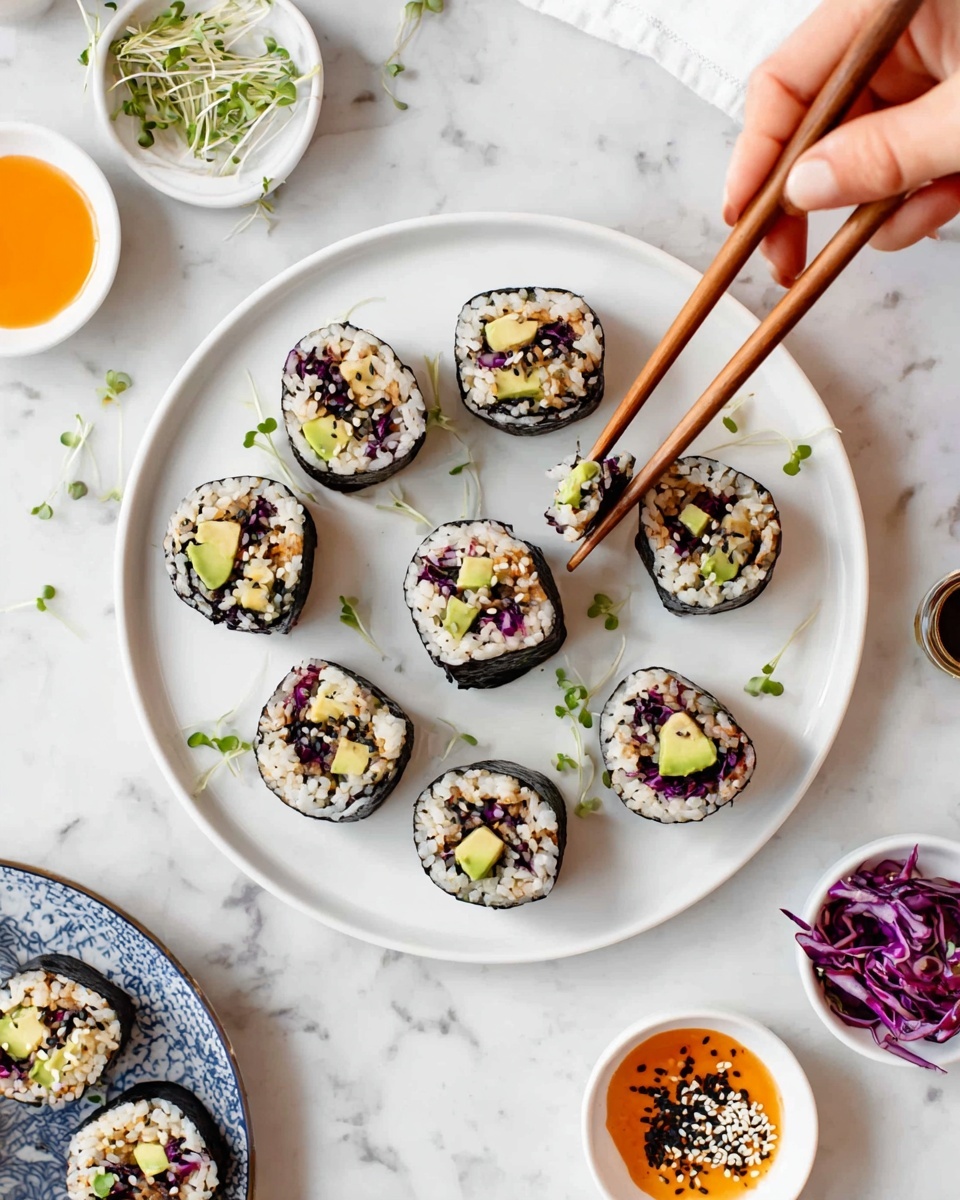
If you’re craving sushi but want something fresh, vibrant, and a little unexpected, this Maki Sushi with Roasted Vegetables Recipe is a total game-changer. I absolutely love how roasting the shiitake mushrooms and carrots brings out a deep, rich flavor that feels hearty yet still light. Plus, it’s a fun and satisfying hands-on dish to make at home—better than delivery and way more colorful. You’ll find that these rolls have that perfect balance of softness, tanginess, and crunch, all wrapped up in nori. Stick around—I’m sharing tips that helped me go from sushi novice to sushi pro right in my own kitchen!
Why You’ll Love This Recipe
- Roasted Vegetable Flavor Boost: Roasting shiitakes and carrots adds a deep, savory sweetness that’s irresistible.
- Hands-On and Fun: Rolling your own sushi is a rewarding experience, and way easier than you might think.
- Healthy and Fresh Ingredients: This recipe uses whole grain brown rice and wholesome veggies for a nourishing spin.
- Customizable Rolls: It’s easy to swap veggies or adjust flavors to match your mood or pantry.

Ingredients You’ll Need
The ingredients in this Maki Sushi with Roasted Vegetables Recipe might seem simple, but they work so well together. The key is using fresh shiitakes and nicely roasted carrots, balanced with a tangy carrot-ginger dipping sauce that really ties the whole sushi experience together.
- Shiitake mushrooms: The meaty texture and umami flavor really shine with roasting.
- Extra-virgin olive oil: Adds richness for roasting and to the dipping sauce without overpowering.
- Tamari: A gluten-free soy sauce alternative that deepens the mushroom flavor.
- Roasted carrots: Used for the creamy, slightly sweet carrot-ginger sauce—roasting brings out their natural sugars.
- Short grain brown rice: Earthy and chewy, it’s the healthier sibling of white sushi rice but still sticky enough when cooked right.
- Rice vinegar: Essential for seasoning the sushi rice and the sauce for that signature tang.
- Fresh ginger: Adds a zesty kick to the dipping sauce.
- Nori sheets: The seaweed wrapper that holds everything together.
- Red cabbage: Offers a satisfying crunch and color contrast.
- Cucumber: For freshness and crisp texture.
- Avocado: Creamy strips that balance the textures and flavors.
- Sesame seeds: For toasting and sprinkling to add a nutty finish.
- Pickled ginger and tamari: Classic accompaniments to enhance the sushi experience.
Variations
I love customizing this Maki Sushi with Roasted Vegetables Recipe depending on the season or what’s in my fridge. You can easily swap in your favorite grilled or roasted veggies, or even add some tofu or tempeh for extra protein!
- Use roasted sweet potatoes or bell peppers: I tried adding these once, and the sweetness paired beautifully with the savory mushrooms.
- Spicy mayo drizzle: Adding a touch of sriracha mixed with vegan mayo gives the rolls a nice kick.
- Pickled veggies: Try swapping in pickled radishes or carrots for a tangy crunch.
- Gluten-free option: Stick with tamari instead of soy sauce to keep it gluten-free and just as tasty.
How to Make Maki Sushi with Roasted Vegetables Recipe
Step 1: Roast Your Shiitakes and Carrots
Start by preheating your oven to 400°F. Toss your shiitake mushrooms in olive oil and tamari until they’re well coated—this helps boost their flavor and caramelize them nicely. Spread them out evenly on a baking sheet. On a separate sheet, spread the carrots since they’ll become the base for your dipping sauce. Roast the mushrooms for about 25 to 30 minutes, keeping an eye out for edges turning golden brown. Roasting really brings out that rich umami and sweetness that’s so comforting in this roll.
Step 2: Blend the Carrot Ginger Dipping Sauce
Once your carrots come out of the oven, pop them into a blender with water, olive oil, rice vinegar, minced ginger, and a pinch of sea salt. Blend until creamy and smooth. This sauce is where fresh meets vibrant—don’t skip chilling it before serving for that refreshing punch alongside your sushi rolls.
Step 3: Cook and Season Your Sushi Rice
I used to struggle with getting sushi rice right until I followed this method: rinsing the short-grain brown rice well, then simmering it gently with water and a touch of olive oil for about 45 minutes. Let it rest covered for 10 minutes off the heat before fluffing. The trick is folding in rice vinegar, cane sugar, and salt AFTER cooking to keep that perfect sticky texture and balance of flavors that sushi rice needs.
Step 4: Roll Your Maki Sushi
Place a nori sheet shiny side down on your bamboo mat and spread a thin layer of rice over the lower two-thirds portion. Wet your hands as they’ll get sticky—this was a game-changer I discovered early on. Layer your shiitakes, red cabbage, cucumber strips, and avocado near the bottom edge. Don’t overfill! Use the bamboo mat to tuck and roll tightly, then gently press the roll into shape. Repeat for the remaining sheets and fillings.
Step 5: Slice and Serve
Use a sharp, dampened knife to cut your rolls into bite-sized pieces—wiping the blade between cuts keeps each slice clean. Sprinkle sesame seeds on top for that final nutty touch. Serve your maki sushi with the chilled carrot-ginger sauce, a dish of tamari, and pickled ginger on the side. Your friends and family will go crazy for this fresh, flavorful sushi experience!
Pro Tips for Making Maki Sushi with Roasted Vegetables Recipe
- Wet Your Hands Regularly: Handling sticky rice gets messy—keep a bowl of water nearby to keep your hands from sticking and making rolling easier.
- Don’t Skip the Rice Rest: Letting the rice sit covered after cooking helps achieve the perfect sticky texture without being mushy.
- Use a Sharp Damp Knife: Wiping the blade clean between slices is key for neat, pretty sushi pieces.
- Control Your Filling Amounts: Overstuffing makes rolling tough and causes falling-apart sushi—less is more!
How to Serve Maki Sushi with Roasted Vegetables Recipe
Garnishes
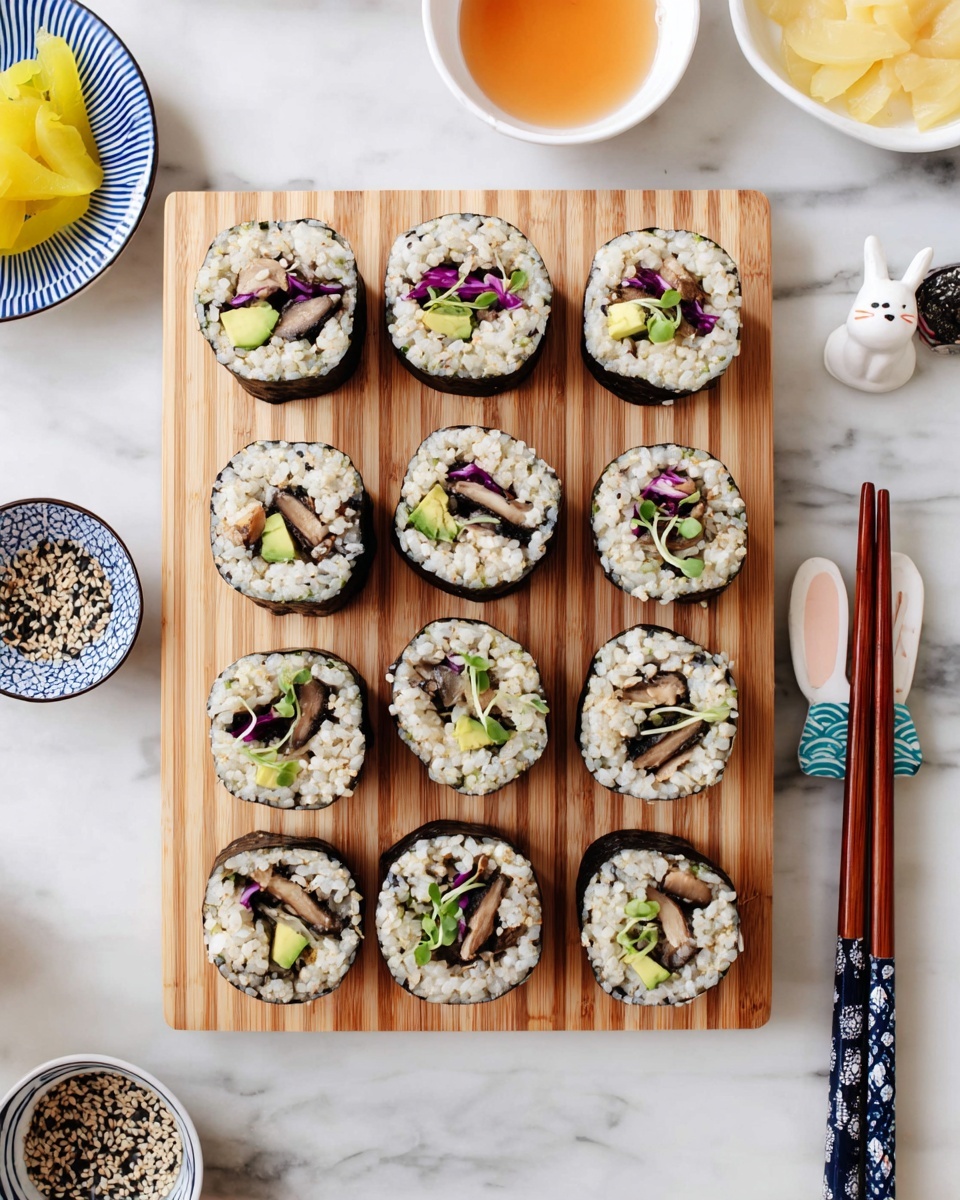
I like to sprinkle toasted sesame seeds on my sushi rolls—it adds a subtle nuttiness and a bit of extra texture that makes every bite more interesting. I also never skip pickled ginger; it’s refreshing and helps cleanse your palate between bites. Sometimes I add a tiny drizzle of spicy mayo for a creamy kick.
Side Dishes
On the side, I usually serve a simple seaweed salad or edamame sprinkled with a little sea salt. Miso soup also pairs beautifully if you want something warm and comforting alongside your sushi feast.
Creative Ways to Present
For special occasions, I like arranging the sushi rolls on a large platter alternating colors and shapes to create a sushi mosaic. Using small bowls for the dipping sauce and tamari placed artfully around the tray makes it feel like a restaurant experience at home. Adding some edible flowers or microgreens lifts the presentation to the next level!
Make Ahead and Storage
Storing Leftovers
If you have leftovers (which might be rare!), I recommend wrapping the sushi rolls tightly in plastic wrap and storing them in the fridge. Try to eat within 24 hours for the best texture because the rice can harden and the nori gets chewy over time.
Freezing
Freezing sushi is tricky and not usually recommended because it compromises the texture of the rice and veggies. I’ve tried it; the roll becomes soggy when thawed. Best to enjoy fresh or store only short-term in the fridge.
Reheating
I don’t generally reheat these sushi rolls since the rice changes in texture and the veggies lose their crunch. If you must, briefly steam the roll wrapped in foil, but fresh is always best in my experience.
FAQs
-
Can I use white rice instead of brown rice for this recipe?
Absolutely! White short-grain sushi rice will work perfectly and has a stickier texture that some prefer. Cooking time is shorter, so adjust accordingly and rinse well before cooking.
-
How do I prevent the sushi rice from sticking to my hands?
Keep a small bowl of water nearby and wet your hands frequently while handling the rice. This prevents sticking and helps you spread it evenly on the nori.
-
Can I make this recipe vegan and gluten-free?
Yes! This Maki Sushi with Roasted Vegetables Recipe is naturally vegan. Use tamari or coconut aminos instead of soy sauce to keep it gluten-free.
-
What’s the best way to slice sushi rolls neatly?
Use a very sharp chef’s knife and dampen the blade with water before slicing. Wiping the knife clean between cuts prevents rice buildup and ensures smooth, clean slices.
-
Can I prepare the components ahead of time?
You can roast the vegetables and make the dipping sauce up to a day ahead. Cook the rice fresh for the best texture right before rolling.
Final Thoughts
This Maki Sushi with Roasted Vegetables Recipe has become a favorite in my kitchen because it’s fresh, flavorful, and surprisingly simple to make from scratch. I love sharing it with friends who usually think sushi is complicated—they’re always impressed by how delicious and satisfying it is. Give it a try on a relaxed weekend afternoon or for your next dinner party. I promise, once you’ve rolled your first sushi, you’ll want to make it again and again. Happy rolling!
Print
Maki Sushi with Roasted Vegetables Recipe
- Prep Time: 60 minutes
- Cook Time: 20 minutes
- Total Time: 80 minutes
- Yield: 2 servings, makes 3 rolls
- Category: Appetizer
- Method: Baking
- Cuisine: Japanese
- Diet: Vegetarian
Description
This Maki Sushi recipe features roasted shiitake mushrooms and a creamy carrot ginger dipping sauce, combined with perfectly cooked brown sushi rice and fresh vegetable fillings. Assemble your own rolls at home with nori sheets, thinly sliced red cabbage, cucumber, and avocado for a fresh, flavorful, and healthy sushi experience that rivals takeout.
Ingredients
Roasted Shiitake Mushrooms and Carrot Dipping Sauce
- 6 ounces shiitake mushrooms
- 1 tablespoon extra-virgin olive oil
- 1 tablespoon tamari
- ½ cup chopped roasted carrots (about ¾ cup raw carrots)
- ⅓ to ½ cup water
- ¼ cup extra-virgin olive oil
- 2 tablespoons rice vinegar
- 2 teaspoons minced ginger
- ¼ teaspoon sea salt
Sushi Rice
- 1 cup short grain brown rice (rinsed well)
- 2 cups water
- 1 teaspoon extra-virgin olive oil
- 2 tablespoons rice vinegar
- 1 tablespoon cane sugar
- 1 teaspoon sea salt
Roll Fillings and Garnishes
- 3 nori sheets
- 1 cup thinly sliced red cabbage
- 3 long thin strips of cucumber
- ½ avocado (sliced into strips)
- Sesame seeds (for sprinkling)
- Tamari (for serving)
- Pickled ginger (optional, for serving)
Instructions
- Prepare the roasted shiitakes: Preheat the oven to 400°F and line a large and small baking sheet with parchment paper. Toss shiitake mushrooms with olive oil and tamari to coat evenly. Spread mushrooms on the large baking sheet in a single layer. Roast for 25 to 30 minutes until edges are browned. On the separate sheet, roast carrots for the dipping sauce alongside or beforehand.
- Make the carrot ginger dipping sauce: In a blender, combine the roasted carrots, water, olive oil, rice vinegar, minced ginger, and sea salt. Blend until creamy and smooth. Chill the sauce until ready to serve. Set aside the roasted shiitakes until assembly.
- Make the sushi rice: In a medium saucepan, combine rinsed brown rice, water, and olive oil. Bring to a boil over medium-high heat. Once boiling, cover, reduce heat to low, and simmer for 45 minutes until rice is tender and liquid absorbed. Remove from heat and let rice sit covered for 10 minutes. Fluff rice gently with a fork, fold in rice vinegar, cane sugar, and sea salt. Cover and keep warm until ready to assemble rolls.
- Assemble the maki sushi rolls: Prepare a small bowl of water and a kitchen towel to keep hands moist while handling sticky rice. Place one nori sheet, shiny side down, onto a bamboo sushi rolling mat. Press a handful of prepared sushi rice evenly over the lower two-thirds of the nori sheet. Layer fillings at the edge of the rice—red cabbage, cucumber strips, avocado slices, and roasted shiitake mushrooms. Avoid overfilling for easier rolling. Use the bamboo mat to tuck the nori sheet tightly around the fillings and roll into a cylinder. Gently press and shape the roll with the mat. Place the roll seam side down and set aside. Repeat with remaining sheets and fillings.
- Cut and serve the sushi: Using a sharp chef’s knife, moisten the blade and carefully slice each roll into 6 to 8 pieces, wiping the knife clean between cuts to maintain clean edges. Sprinkle the sushi pieces with sesame seeds. Serve with carrot ginger dipping sauce, tamari, and pickled ginger on the side if desired.
Notes
- This recipe is a fantastic introduction to making maki sushi at home; it’s fresh, fun, and more delicious than delivery.
- Be sure to rinse the brown rice thoroughly before cooking to achieve the ideal sushi rice texture.
- Keep your hands damp when handling the rice to prevent sticking and ease rolling.
- Using a bamboo mat helps roll the sushi tightly for perfect presentation.
- The carrot ginger dipping sauce adds a unique, flavorful twist that elevates the mushroom sushi rolls.
Nutrition
- Serving Size: 1 roll (approximately)
- Calories: 320
- Sugar: 5g
- Sodium: 480mg
- Fat: 12g
- Saturated Fat: 2g
- Unsaturated Fat: 10g
- Trans Fat: 0g
- Carbohydrates: 45g
- Fiber: 6g
- Protein: 7g
- Cholesterol: 0mg