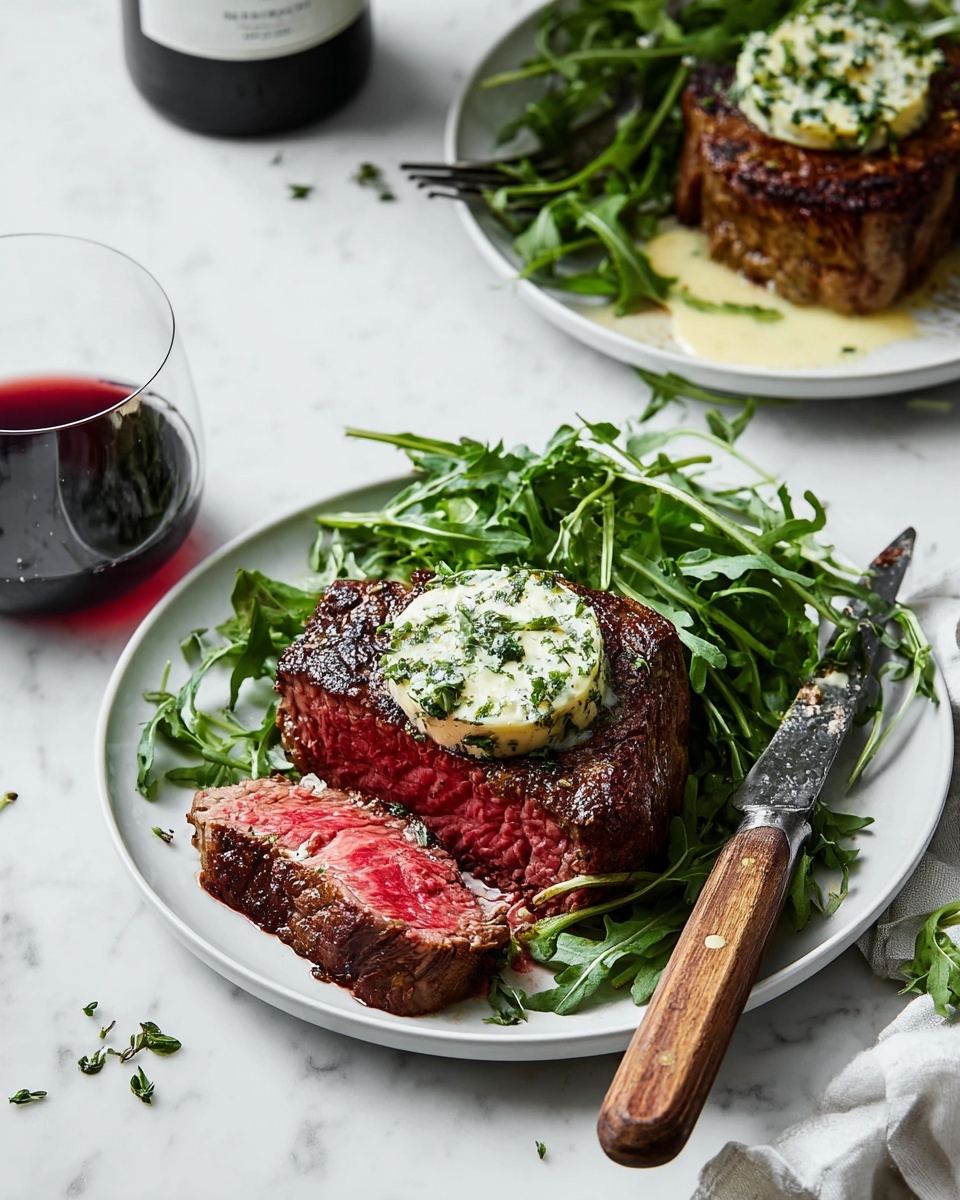
If you’re on the hunt for a steak that’s juicy, tender, and downright indulgent, you’re going to fall head over heels for this Perfect Filet Mignon Recipe. I absolutely love how this turns out every time—rich buttery flavor with that oh-so-satisfying crust on the outside and a melt-in-your-mouth center. Whether you’re cooking for a special occasion or just want to treat yourself, this foolproof method will make you feel like a culinary rockstar in your own kitchen. Keep reading, and I’ll share everything you need to know to nail it perfectly.
Why You’ll Love This Recipe
- Foolproof Method: This recipe breaks down a simple, reliable way to achieve the perfect crust and doneness every time.
- Rich, Juicy Flavor: Combining butter, garlic, and rosemary brings out the filet’s natural tenderness and deliciousness.
- Quick but Elegant: You can whip this up in about 20 minutes and impress anyone at the dinner table.
- Flexible Serving: Whether you’re dressing it up with bearnaise or a compound butter, this filet mignon shines on any plate.

Ingredients You’ll Need
The secret to a perfect filet mignon is starting with great quality ingredients that play so beautifully together. I always recommend fresh rosemary and peeled garlic—those little aromatics elevate the whole experience. Also, if you can find a nice high smoke point oil like avocado oil, it’s a game changer for that perfect sear.
- Filet Mignon Steaks: Choose thick-cut, at least 8 ounces each for ideal tenderness and juiciness.
- Kosher Salt: Essential for seasoning and bringing out natural flavors without overpowering.
- Freshly Ground Black Pepper: Adds a subtle, fresh heat than pre-ground pepper can’t match.
- Avocado Oil: A great high-heat oil that helps get the perfect crust without burning.
- Butter: The key to buttery richness and helps baste the steak to juicy perfection.
- Fresh Rosemary: Adds a fragrant earthy note that pairs beautifully with beef.
- Peeled Garlic Cloves: Infuses the butter with mellow garlic aroma without overpowering the steak.
- Herb Compound Butter or Bearnaise Sauce: Fancy finishing options that make every bite feel special.
Variations
One of the things I love about the Perfect Filet Mignon Recipe is how versatile it is. I often tweak it based on what I have on hand or the kind of meal I’m aiming for. Feel free to get creative and make this recipe truly your own.
- Garlic and Herb Twist: I sometimes swap rosemary for thyme or add a pinch of smoked paprika to the seasoning for a smoky flair.
- Dietary Tweaks: For a dairy-free version, skip the butter in the basting and finish with a drizzle of olive oil infused with herbs.
- Cooking Level: Try finishing the steak sous vide before searing if you want ultra-precise doneness.
- Seasonal Flavors: Top with a dollop of cranberry or red wine reduction in fall and winter for a slightly sweet kick.
How to Make Perfect Filet Mignon Recipe
Step 1: Let Your Steaks Come to Room Temperature
When I first tried this recipe, I didn’t wait before cooking and noticed the steaks cooked unevenly. Bringing your filet mignon out of the fridge about 30 to 40 minutes before cooking lets it warm up slightly, which helps you get that perfect doneness all the way through. Season all sides generously with kosher salt and freshly ground pepper right before cooking—this keeps the seasoning fresh and flavorful.
Step 2: Sear Like a Pro in a Hot Pan
Heat an oven-safe pan—cast iron is my favorite choice—over high heat until it’s smoking hot. Adding avocado oil creates a perfect sear, giving your filet that gorgeous golden crust. Sear each side for 2 minutes, then roll the edges for about 1 more minute to get every inch covered. This step locks in juices and flavor, and honestly, that crust is what I dream about after a long day.
Step 3: Baste with Butter, Garlic, and Rosemary
Once you flip your steak onto its last side, add butter, peeled garlic cloves, and fresh rosemary to the pan. Tilt the pan slightly and spoon the melted butter over the steak repeatedly—this basting technique really infuses your filet with incredible flavor and keeps it moist. I discovered this butter-basting trick after trying a few recipes, and it completely transformed my steak nights.
Step 4: Finish in the Oven to Perfect Doneness
Pop that sizzling hot pan straight into a preheated 400°F (200°C) oven. Cooking time here can vary depending on your preferred doneness—4 minutes for rare, 8 to 10 for medium rare to medium. My go-to is pulling the steaks at about 120°F for medium rare, then letting them rest. Just be careful with those oven mitts—cast iron is a beast but a hot one!
Step 5: Rest and Serve with Flair
Rest your filet mignon steaks on a plate covered loosely with foil for 5 to 7 minutes. This resting period lets the juices redistribute perfectly, so every bite is juicy and tender. Finally, top with melted herb butter from the pan or add a slice of compound butter or bearnaise sauce to elevate your steak even more. Trust me, this is the moment the magic happens!
Pro Tips for Making Perfect Filet Mignon Recipe
- Room Temperature Steaks: I’ve learned that skipping this leads to uneven cooking—don’t make the same mistake!
- Use a Cast Iron Skillet: Its heat retention is unmatched and helps create that perfect crust.
- Butter Basting: It adds incredible flavor and helps keep your filet juicy—plus, it’s fun to do!
- Don’t Skip Resting: Resist the urge to cut immediately; resting seals all the juiciness inside.
How to Serve Perfect Filet Mignon Recipe
Garnishes
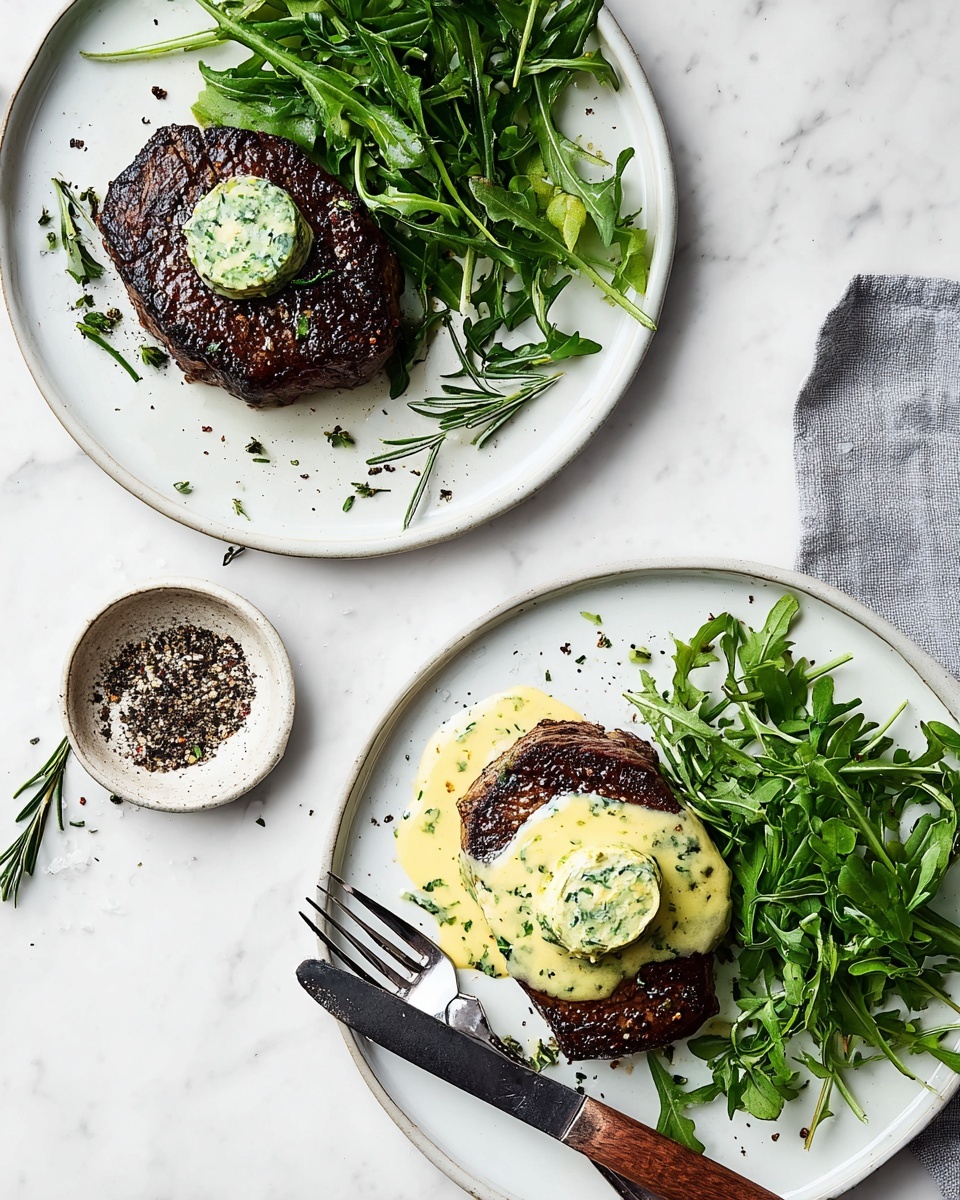
When I serve filet mignon, I like to keep garnishes simple but impactful—fresh parsley or chopped chives add a pop of color and hint of freshness. Sometimes I add a small slice of herb compound butter or drizzle a bit of bearnaise sauce right over the steak to ramp up the indulgence. It looks beautiful and tastes like you stepped into a fine dining restaurant.
Side Dishes
My family goes crazy for mashed potatoes with gravy or garlic parmesan roasted asparagus alongside this filet mignon. I also recommend creamy risotto or a fresh green salad with a light vinaigrette to balance out the richness. For an extra touch, roasted mushrooms soaked in garlic butter are a game changer.
Creative Ways to Present
For special occasions, I’ve served filet mignon on sizzling cast iron plates with a sprig of rosemary resting on top. Another fun idea is to place the steak on a wooden board lined with parchment, surrounded by roasted garlic cloves and fresh herbs. It adds rustic charm and invites guests to dive right in.
Make Ahead and Storage
Storing Leftovers
Leftover filet mignon can be a treat if stored properly. I wrap mine tightly in foil or place it in an airtight container, then refrigerate within two hours of cooking. I’ve found it stays juicy in the fridge for up to 3 days, but honestly, it rarely lasts that long in my house!
Freezing
Freezing filet mignon is doable, though I prefer fresh. When I do freeze, I wrap steaks individually in plastic and foil and freeze for up to 2 months. Thaw slowly in the fridge overnight before reheating. The texture can be slightly different, but if you reheat carefully, it still shines.
Reheating
To reheat, I recommend warming the steak gently in a low oven (~250°F) or in a skillet over medium-low heat with a pat of butter to restore moisture. Avoid the microwave if you can, as it tends to dry out the filet. Slow, gentle heat keeps it tender and tasty almost like fresh off the pan.
FAQs
-
What temperature should filet mignon be cooked to for medium rare?
For medium rare, the internal temperature of filet mignon should be around 120°F to 125°F when you take it out of the oven, allowing it to rest to about 130°F to 135°F. This ensures the steak remains juicy and tender with a warm pink center.
-
Can I use butter instead of oil for searing?
Butter has a lower smoke point, so I recommend using a high-heat oil like avocado oil for the initial sear to avoid burning. Then add butter during the basting step for flavor and juiciness.
-
Do I need to rest filet mignon after cooking?
Absolutely! Resting allows the juices to redistribute evenly throughout the steak. Skipping rest time often leads to dry, less flavorful bites.
-
Can I make this recipe without an oven-safe pan?
If you don’t have an oven-safe pan, sear your steaks in a skillet, then transfer to a preheated baking dish in the oven to finish cooking. Just be careful transferring hot items and adjust timing as needed.
-
How thick should the filet mignon steaks be?
Ideally, your filet mignon steaks should be at least 1.5 to 2 inches thick. This thickness allows you to get a nice crust without overcooking the center.
Final Thoughts
This Perfect Filet Mignon Recipe has quickly become one of my favorite go-to dishes when I want to impress without stress. The balance of easy-to-follow steps and luxurious flavor means you’ll enjoy restaurant-quality steak right at home. I encourage you to give it a try—once you nail this, your steak nights will never be the same. Happy cooking, and don’t forget to savor every delicious bite!
Print
Perfect Filet Mignon Recipe
- Prep Time: 35 min
- Cook Time: 10 min
- Total Time: 45 min
- Yield: 2 servings
- Category: Main Course
- Method: Oven Baking
- Cuisine: American
Description
This foolproof filet mignon recipe delivers tender, melt-in-your-mouth steaks with a perfectly seared crust and flavorful herb butter finish. Using a combination of stovetop searing and oven baking, this method ensures juicy steaks cooked to your preferred doneness, enhanced by aromatic rosemary and garlic.
Ingredients
Steaks
- 2 (8-ounce) filet mignon steaks
- 1 teaspoon kosher salt
- ½ teaspoon freshly ground black pepper
Cooking
- 2 tablespoons avocado oil (or other high heat oil)
- 2 tablespoons butter
- 2 sprigs fresh rosemary
- 2 peeled garlic cloves
To Serve
- Herb compound butter or bearnaise sauce
Instructions
- Bring Steaks to Room Temperature: Remove the filet mignon steaks from the refrigerator and let them sit for 30 to 40 minutes before cooking, allowing them to come to room temperature for even cooking.
- Season the Steaks: Season all sides of the steaks evenly with kosher salt and freshly ground black pepper to enhance flavor.
- Preheat Oven and Pan: Preheat your oven to 400°F (200°C). Meanwhile, heat an empty oven-safe pan, preferably cast iron, over high heat on the stovetop until very hot.
- Heat Oil and Sear Steaks: Add the avocado oil to the hot pan and wait until it shimmers. Sear the steaks for 2 minutes to develop a golden crust on one side.
- Sear Edges: Roll the steaks onto their sides and sear for about 1 minute to crust the edges thoroughly.
- Flip and Add Flavorings: Flip the steaks onto their final side. Immediately add butter, garlic cloves, and rosemary to the pan. Begin butter basting by spooning the melted butter over the steaks continuously for 1 minute to infuse flavor.
- Transfer to Oven: Carefully transfer the entire hot pan to the preheated oven. Bake for 4 to 10 minutes depending on the desired doneness—remove at 120°F for medium rare as a personal favorite.
- Rest the Steaks: Remove the steaks from the oven and transfer them to a plate. Tent loosely with aluminum foil and let them rest for 5 to 7 minutes so the juices redistribute and the steaks finish cooking to proper serving temperature.
- Serve with Butter or Sauce: Top the rested steaks with the hot melted herb butter from the pan or add a fresh slice of compound butter. Alternatively, drizzle with bearnaise sauce before serving for an indulgent finish.
Notes
- Letting the steaks come to room temperature before cooking helps them cook evenly.
- Use a heavy oven-safe pan like cast iron to achieve a perfect sear and allow smooth transfer to the oven.
- Butter basting is key to infusing flavor and keeping the steaks moist during searing.
- Use a meat thermometer to check internal temperature for your desired doneness.
- Resting the steak is essential; it ensures juicy, tender meat.
- Serve with herb compound butter or bearnaise sauce for added richness.
- Watch the step-by-step video tutorial for visual guidance on techniques.
Nutrition
- Serving Size: 1 serving
- Calories: 851 kcal
- Sugar: 0.04 g
- Sodium: 1365 mg
- Fat: 75 g
- Saturated Fat: 29 g
- Unsaturated Fat: 38 g
- Trans Fat: 0.5 g
- Carbohydrates: 1 g
- Fiber: 0.2 g
- Protein: 42 g
- Cholesterol: 189 mg