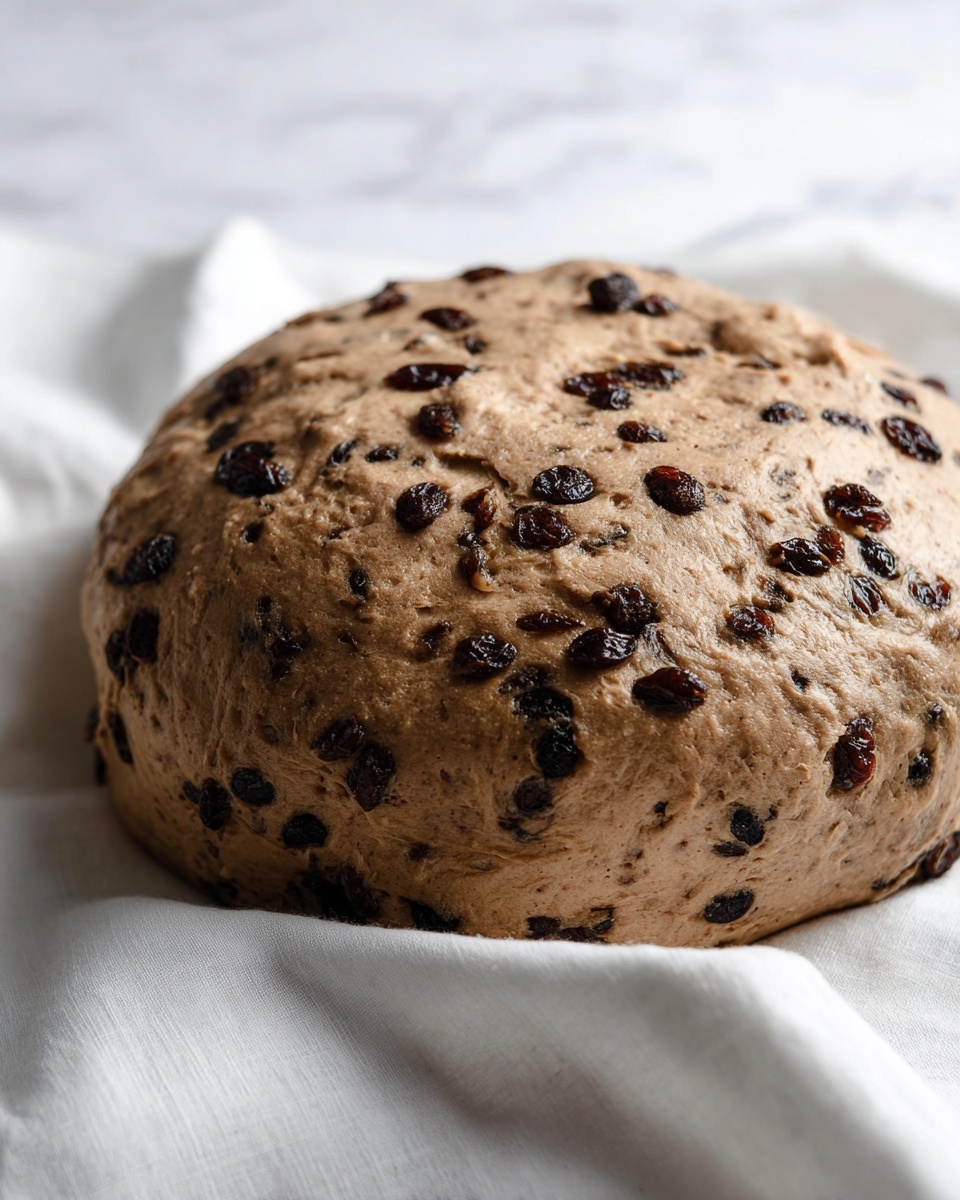
If you’re looking for a comforting, nostalgic dessert that truly feels like a hug from the inside, this Scottish Clootie Dumpling Recipe is exactly what you need. I absolutely love how this traditional Scottish pudding comes together with simple ingredients but results in something so rich, moist, and packed with fruity goodness. When I first tried making this recipe, I was amazed at how the slow simmering wrapped in a cloth created a tender dumpling with a beautifully dark and shiny skin. Keep reading, and I’ll walk you step-by-step so you can create this lovely treat in your own kitchen—with tips I learned along the way to make it foolproof!
Why You’ll Love This Recipe
- Classic Comfort Food: It’s a true taste of Scotland, offering that cozy, wholesome flavor you won’t find in most desserts.
- Simple Ingredients: You likely have everything in your pantry already, making it an easy, last-minute special treat.
- Hands-Off Cooking: The slow simmer lets you relax while it cooks—it’s kind of like magic in a pot.
- Unique Texture and Flavor: The cloth steaming creates an unbelievably moist, tender pudding with a gorgeous dark skin.

Ingredients You’ll Need
Every ingredient in this Scottish Clootie Dumpling Recipe plays a role in creating those warm, rich flavors and a lovely texture. It’s a blend of fruity sweetness, warming spices, and hearty flour combined to make something truly special. I always make sure to get good-quality dried fruits and fresh apple for the best results.
- Self-raising Flour: This gives the dumpling a light rise and soft crumb without needing extra baking powder.
- Caster Sugar (Superfine Sugar): Dissolves easily to sweeten the mix gently without grittiness.
- Suet (vegetable or beef): The secret to that rich, moist texture—vegetable suet works just as well if you want to keep it vegetarian.
- Breadcrumbs (fresh): Helps bind the dumpling and soak up the moisture for a perfect consistency.
- Mixed Spice (Pumpkin Spice): A warming spice blend that adds depth and character—don’t skip it!
- Ground Cinnamon: Just a touch enhances that cozy, familiar flavor.
- Raisins: Sweet, chewy bursts of flavor throughout the dumpling.
- Currants: Tiny pockets of tartness that balance the sweetness beautifully.
- Apple (peeled & grated): Adds natural moisture and a fresh fruity note that lightens the pudding.
- Treacle (Molasses): Gives a deep, rich flavor and a beautiful dark color to the dumpling skin after baking.
- Milk (cold): Brings the whole mixture together into a sticky, workable batter.
Variations
I love how flexible this Scottish Clootie Dumpling Recipe is—you can easily swap ingredients or add your own twist for different flavors or dietary needs. I’ve tried a few versions that each brought something new to the table, so don’t be afraid to experiment!
- Traditional Variation: Stick to the classic suet and mixed dried fruits for that authentic Scottish taste my family goes crazy for every time.
- Vegetarian Variation: Use vegetable suet instead of beef suet to keep it meat-free without compromising texture or flavor.
- Seasonal Twist: Swap in dried cranberries or chopped dried apricots depending on the season or what you have on hand.
- Gluten-Free Option: I’ve had success using a gluten-free self-raising flour blend, just be sure to check it’s suitable for baking treats like this.
How to Make Scottish Clootie Dumpling Recipe
Step 1: Prepare Your Pot and Ingredients
Start by placing a saucer at the bottom of a large pot and filling it halfway to two-thirds full with water. Bring this to a boil while you mix your dumpling batter. This setup helps protect the dumpling from direct heat, creating gentle steam cooking. I always find this step interesting because it may look odd at first, but it truly makes all the difference in the final texture.
Step 2: Mix Dry Ingredients and Add Fruit & Apples
In a large bowl, combine self-raising flour, caster sugar, suet, fresh breadcrumbs, mixed spice, ground cinnamon, raisins, currants, and the grated apple. I love squeezing in the apple because it not only adds moisture but gives every bite a subtle fresh sweetness that cuts through the rich spices. Give it a good mix until everything is evenly distributed.
Step 3: Incorporate Wet Ingredients
Add the treacle (molasses) and cold milk to your dry mixture, then stir well to create a sticky and slightly glossy batter. This is when the mixture really starts coming to life. Be sure not to over-mix; you want everything combined but keep the texture just right—not too runny, not too dry.
Step 4: Prepare the Cloot (Cloth)
Dip your clean muslin cloth (the ‘cloot’) into the boiling water, then carefully lift it out with tongs and place it on a flat surface to cool slightly. Once it’s warm but not scalding, squeeze out the excess water. Dust the top with flour—not necessarily edge to edge, but enough to prevent sticking. I discovered that this step prevents your dumpling from sticking and helps form that classic golden skin as it bakes later.
Step 5: Shape and Tie Your Dumpling
Turn your sticky dumpling mixture onto the center of the floured cloot and shape it into a rough round shape with your hands. Pull the edges of the cloot up around the dumpling, gathering the cloth so there are no gaps but don’t pull it too tight—you want to leave a little room for the rising batter to expand during cooking. Tie the top securely with kitchen string. My granny taught me to tie a strong double knot and then loop the string so it’s easy to untie later. It’s super handy to avoid accidents!
Step 6: Simmer the Dumpling
Place your wrapped dumpling into the boiling water in the pot, making sure it’s fully submerged—top up with extra boiling water if needed. Lower the heat to a gentle simmer, cover with a lid, and let it cook for 3 to 3½ hours. This slow cooking time is where the magic happens. I usually keep an eye on the water level every 30 minutes or so and top up with boiling water to keep the dumpling submerged. This patience always pays off deliciously.
Step 7: Cool, Remove Cloot, and Bake
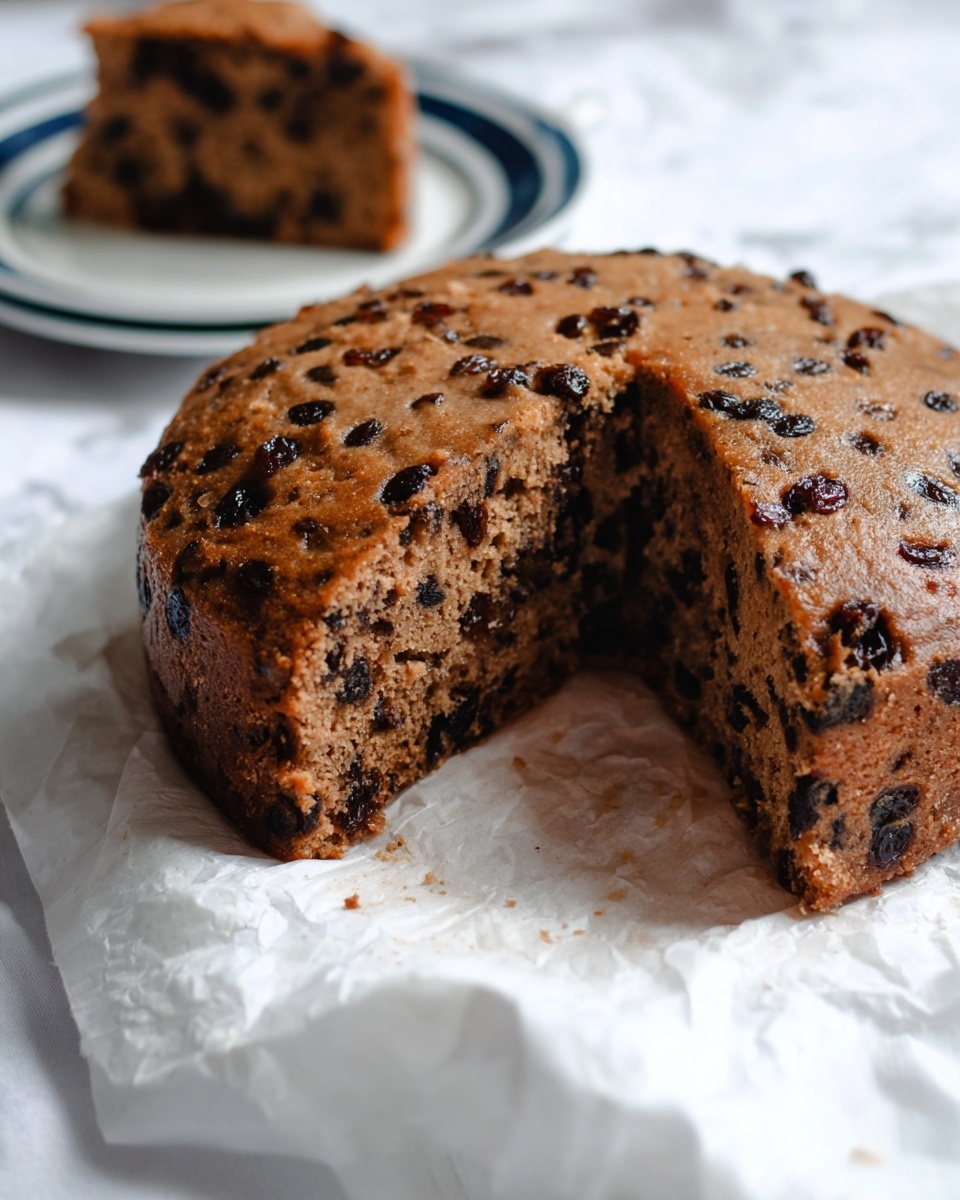
When time is up, carefully lift the dumpling out with tongs onto a tray and allow it to cool for a bit before removing the cloot—it will still be hot, so take care! Cut the string and gently peel back the cloth, being careful not to tear the beautiful skin that’s formed. Flip the dumpling carefully to remove the cloth from the bottom, then return the dumpling to the tray, right side up.
Preheat your oven to 180°C (160°C fan-assisted) or Gas Mark 4 (350°F). Let the dumpling air-dry while the oven heats up, then pop it in for 20-30 minutes. This final bake darkens the skin, making it shiny and slightly crisp—one of my favorite parts! It really seals in that lovely molasses flavor and gives a gorgeous finished look.
Pro Tips for Making Scottish Clootie Dumpling Recipe
- Use Fresh Breadcrumbs: Fresh breadcrumbs absorb moisture better, keeping your dumpling perfectly tender.
- Don’t Over-Tighten the Cloth: Leave space for the dumpling to expand while cooking—it prevents cracking.
- Keep Water Level Consistent: Check often and top up with boiling water to avoid uneven cooking or burning.
- Let it Rest Before Serving: A short cooling period after baking helps the flavors settle and makes slicing easier.
How to Serve Scottish Clootie Dumpling Recipe
Garnishes
I often serve my clootie dumpling with a generous drizzle of warm custard or a dollop of fresh cream—both bring out the richness and balance the deep spices beautifully. For special occasions, I sometimes add a sprinkle of crushed toasted nuts or a few fresh berries on the side for some extra texture and color.
Side Dishes
This dumpling shines best when paired with classic, simple sides. My go-to is creamy vanilla custard, but thick Greek yogurt or even ice cream work wonders. For a cozy twist, try it alongside a hot cup of tea or a glass of dessert wine to complement the clootie dumpling’s rich flavors.
Creative Ways to Present
For holiday dinners or special family gatherings, I like to place the clootie dumpling on a decorative platter, slice it into thick wedges, and garnish with fresh mint leaves or edible flowers. Wrapping each wedge with a little ribbon or threading a sprig of rosemary alongside can really elevate the presentation. Trust me, guests will be impressed by this old-fashioned dessert made with love and flair!
Make Ahead and Storage
Storing Leftovers
I usually store leftover clootie dumpling wrapped tightly in cling film or in an airtight container in the fridge. It keeps well for up to 4 days and is perfect for savoring over several days, as the flavors actually deepen in the fridge.
Freezing
If you want to make this ahead or save some for later, freezing works great. I slice the cooled dumpling into portions, wrap each slice individually, then place in a freezer-safe bag. When thawed slowly in the fridge overnight, it tastes just as delicious as fresh.
Reheating
To reheat, I cover the dumpling slices loosely with foil and warm them gently in a preheated oven at 160°C (320°F) for about 15 minutes. Alternatively, a quick zap in the microwave (covered) works when you’re short on time, just be mindful not to dry it out.
FAQs
-
What is a “cloot” in Scottish Clootie Dumpling?
The “cloot” is a clean piece of muslin or cotton cloth used to wrap the dumpling mixture before simmering it in water. It helps hold the shape and allows steam to gently cook the pudding, resulting in its unique texture and shape.
-
Can I make Scottish Clootie Dumpling without suet?
Yes! You can substitute beef suet with vegetable suet easily, which works well for vegetarians. Alternatively, some use butter, but it may slightly change the traditional texture.
-
How long does Scottish Clootie Dumpling keep?
Stored in the fridge in an airtight container, clootie dumpling stays good for up to 4 days. It can also be frozen for up to 3 months for longer preservation.
-
What can I serve with Scottish Clootie Dumpling?
Traditional accompaniments include warm custard, clotted cream, or fresh cream. Some also enjoy it with vanilla ice cream or a drizzle of honey for extra indulgence.
Final Thoughts
Making this Scottish Clootie Dumpling Recipe has become one of my favorite baking adventures, especially when I want to share a little piece of history and warmth with friends and family. It feels like a celebration of slow cooking and tradition, and I promise you’ll adore the results. Whether you’re new to Scottish puddings or a seasoned baker, give it a try—you’ll find it’s a comforting treat that tastes just like home. Happy cooking, and enjoy your delicious clootie dumpling!
Print
Scottish Clootie Dumpling Recipe
- Prep Time: 30 minutes
- Cook Time: 3 hours 30 minutes
- Total Time: 4 hours
- Yield: 12 servings
- Category: Dessert
- Method: Stovetop
- Cuisine: Scottish
Description
Clootie Dumpling is a traditional Scottish steamed pudding made with a rich mixture of self-raising flour, suet, dried fruits, and spices, wrapped in a cloth and gently simmered before being baked to develop a dark, glossy skin. This comforting dessert, often served with custard or cream, offers a unique texture and deep flavors reminiscent of homely old-world recipes.
Ingredients
Dry Ingredients
- 250 g Self-raising Flour (plus extra for dusting)
- 75 g Caster Sugar (Superfine Sugar)
- 50 g Suet (vegetable or beef)
- 30 g Breadcrumbs (fresh)
- 1 tsp Mixed Spice (Pumpkin Spice)
- 1/2 tsp Ground Cinnamon
- 170 g Raisins
- 120 g Currants
Fresh Ingredients
- 1 small Apple (peeled & grated)
Other Ingredients
- 1/2 tbsp Treacle (Molasses)
- 280 ml Milk (cold)
Instructions
- Prepare the boiling water: Place a heatproof saucer at the bottom of a large pot and fill the pot halfway to two-thirds full with water. Bring the water to a boil while you prepare the dumpling mixture.
- Mix the dumpling ingredients: In a large bowl, combine all dry ingredients and the grated apple thoroughly. Stir in the treacle and cold milk until you get a sticky, cohesive mixture. Set aside as you prepare the cloth.
- Prepare the cloot (cloth): Dip the clean cloth into the boiling water using tongs. Remove it carefully and let it cool slightly until warm but safe to handle. Squeeze out excess water and spread the cloth flat on a work surface. Dust it generously but not completely with flour, then shake off any excess.
- Form the dumpling: Transfer the sticky mixture into the center of the floured cloth. Shape it roughly into a round mound using your hands. Gather the edges of the cloth up and pull them together, ensuring there are no gaps but without pulling the dumpling too tight—allow space for expansion. Tie securely with clean string.
- Simmer the dumpling: Place the wrapped dumpling into the pre-boiled water, making sure it is fully submerged (top up with boiling water if needed). Reduce heat to a gentle simmer, cover with a lid, and cook for 3 to 3½ hours. Regularly check the water level and add more boiling water to keep the dumpling submerged.
- Remove and cool: After cooking, carefully take the dumpling out and place it on a tray to cool briefly. Cut and remove the string, then gently peel back the cloth, taking care not to remove the dumpling’s skin. Flip the dumpling with a plate to remove the cloth from the bottom side. Return the dumpling to the tray upright.
- Dry and bake: Preheat the oven to 180°C (160°C fan, Gas Mark 4, 350°F). Let the dumpling air-dry while the oven heats. Bake the dumpling for 20 to 30 minutes until the skin darkens and becomes dry and shiny.
- Serve: Allow the dumpling to cool slightly before slicing into wedges. Traditionally, serve with custard or cream for a rich, comforting dessert.
Notes
- Clootie Dumpling is a uniquely Scottish dessert with a distinctive steaming and baking method that results in its signature texture and flavor.
- Use a clean, thin cotton cloth (cloot) suitable for boiling to wrap the dumpling effectively.
- Keep the water level topped up during simmering to ensure the dumpling cooks evenly.
- Dumpling can be made with either vegetable or beef suet according to preference.
- Leftovers can be stored refrigerated and gently reheated before serving.
Nutrition
- Serving Size: 1 slice (approx. 100g)
- Calories: 280 kcal
- Sugar: 18g
- Sodium: 120mg
- Fat: 10g
- Saturated Fat: 4g
- Unsaturated Fat: 6g
- Trans Fat: 0g
- Carbohydrates: 42g
- Fiber: 3g
- Protein: 4g
- Cholesterol: 15mg